Freight Class Calculator (2025 NMFC Density Scale)
Free freight class calculator using the 13-tier NMFC density scale. Enter pallet size and weight to get density, cubic feet and the estimated LTL freight class.
Explore More
Monday to Friday: 8:30am - 5:00pm

Free freight class calculator using the 13-tier NMFC density scale. Enter pallet size and weight to get density, cubic feet and the estimated LTL freight class.
Explore More
Free fuel surcharge calculator for trucking. Use the DOE diesel price, a base price and MPG to get the fuel surcharge per mile and per load, and check if it covers your fuel.
Explore More
Free rate per mile calculator for truckers and dispatchers. See the loaded and all-in rate per mile, compare it to your minimum and get a counter offer to send.
Explore More
Free load profit calculator for truckers. Enter the rate, loaded and empty miles, MPG and fuel price to see your real profit and true rate per mile in seconds.
Explore More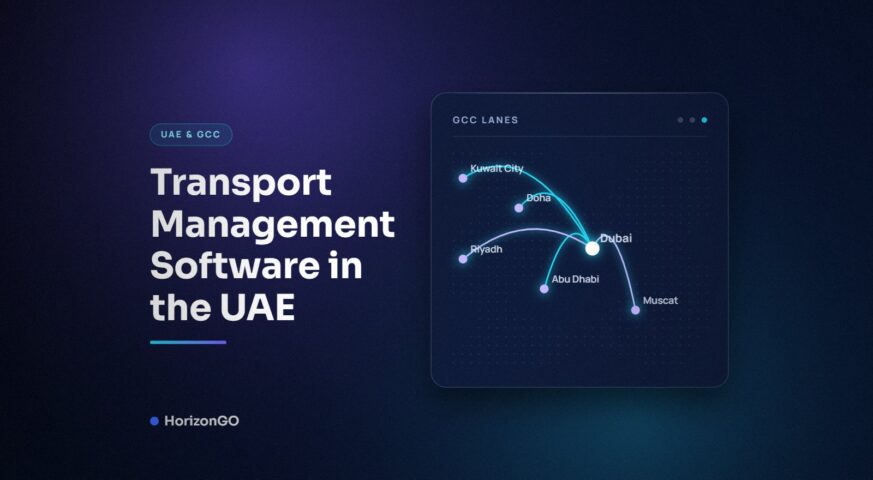
A practical 2026 guide to transport management software for UAE trucking and logistics companies in Dubai, Abu Dhabi and the GCC.
Explore More
What a transportation management system (TMS) does for trucking companies and freight brokers: core features, costs, TMS vs fleet software and how to choose one.
Explore More
Quick Answer: When choosing a trucking company in Dubai, check its trade license and RTA permits, fleet size and truck types, GCC cross-border experience, port and free-zone access, GPS tracking, cargo insurance and VAT-compliant invoicing. Below, we cover trucking companies in plain terms. Below, we cover trucking companies in dubai in plain terms. Dubai has […]
Explore More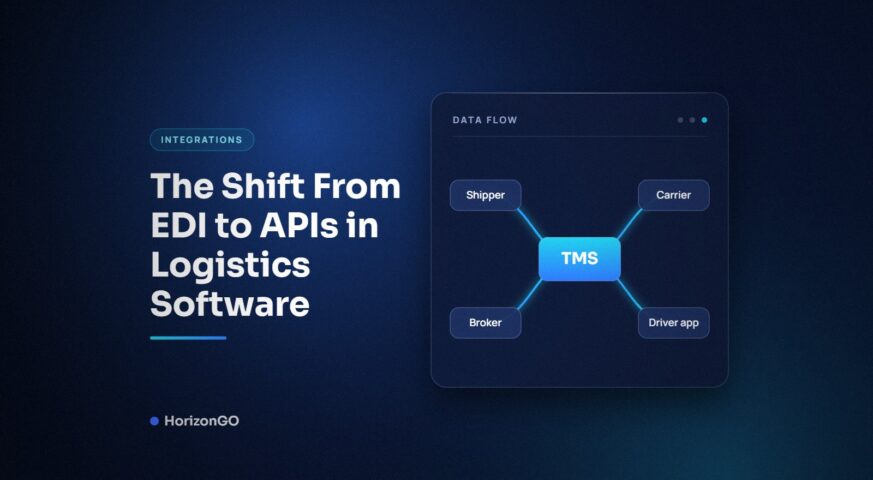
Quick Answer: Logistics software is moving from EDI, which sends data in scheduled batches, to APIs, which exchange it in real time. APIs make carrier onboarding faster and tracking more accurate, but most companies run both for years because large shippers still require EDI. Read on for a practical look at edi to apis. Below, […]
Explore More
Quick Answer: FMCSA’s 2026 changes mostly tighten enforcement of rules carriers already follow: ELDs must come from the registered list, English-language proficiency is checked at roadside, and brokers and freight forwarders face stricter financial-responsibility rules from January 16, 2026. Keep your USDOT and MC details current, check the Clearinghouse, and train drivers on the changes. […]
Explore More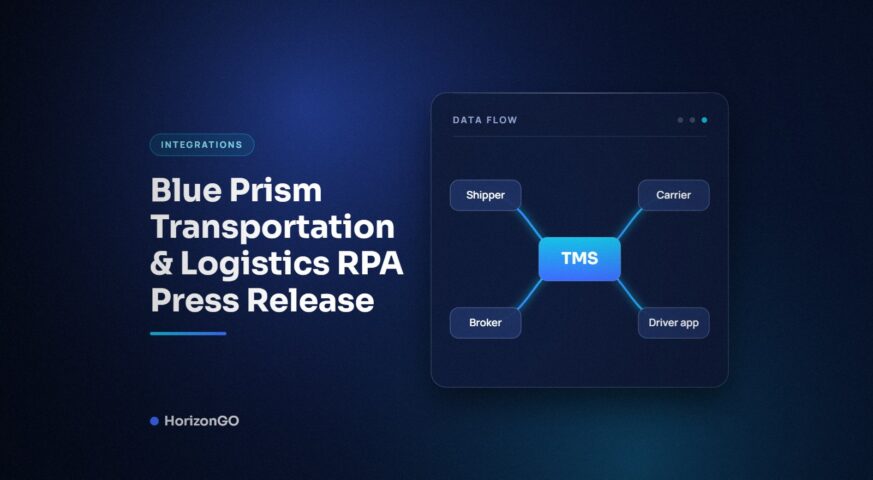
Quick Answer: Blue Prism is an RPA platform that transportation and logistics companies use to automate rule-based tasks such as order entry, invoicing, customs paperwork and status updates. This guide covers what was announced and what it means for carriers and logistics teams. This guide explains blue prism logistics in plain terms. In this guide, […]
Explore More
Quick Answer: Truck tolls in the USA depend on the number of axles, the vehicle class, the distance and how you pay. A 5-axle truck usually pays several times what a car pays, and a transponder such as E-ZPass is almost always cheaper than cash or toll-by-plate. Read on for a practical look at truck […]
Explore More
Quick Answer: Carrier management software helps brokers and shippers onboard carriers, verify FMCSA authority and insurance, store rates and contracts, tender loads and score carrier performance. Most teams use it inside a TMS so carrier data flows straight into dispatch and payments. If you run a trucking company, you know the feeling. You have carriers […]
Explore More
Quick Answer: The safest way to find truck parking is to plan it before the shift starts: use a truck parking app, reserve a spot near busy metros, arrive before the evening rush and keep a backup location. Truck stops, public rest areas and reservable private lots are the main options. If you drive a […]
Explore More
Quick Answer: Truck dispatching companies find loads, negotiate rates, handle paperwork and plan routes for owner-operators and small fleets, usually for a percentage of each load. Before hiring one, check its contract terms, commission rate, broker relationships and how it communicates with drivers. Introduction In this guide, we reveal the best truck dispatching companies in […]
Explore More
Quick Answer: Spot rates move with truck capacity more than with demand. When carriers leave the market, spot rates rise; when capacity floods back, they fall. Check weekly load-to-truck ratios by equipment type before you lock in contract rates. This guide explains freight rates per mile in plain terms. If you’re an owner-operator, fleet manager, […]
Explore More
Quick Answer: Truck driver jobs in 2026 are shifting toward private fleets, regional and dedicated routes and owner-operator lease-on deals. Pay, home time and equipment vary a lot by job type, so compare total pay per week, not just cents per mile. If you’re a truck driver looking for Truck Driver Jobs 2026, or a […]
Explore More
Quick Answer: If your ELD is on FMCSA’s revoked list, switch drivers to paper logs, choose a device from the registered list and install it within 60 days. Transfer your hours-of-service records and keep notes of the switch in case of an audit. Read on for a practical look at fmcsa eld revocation list. What […]
Explore More
Quick Answer: A dry van load is freight moved in an enclosed, non-refrigerated trailer, usually 53 feet long and holding around 26 standard pallets. It is the most common trailer type in the US and suits boxed, palletised goods that don’t need temperature control. Behind every one of these searches is someone trying to understand […]
Explore More
Quick Answer: Regional trucking companies run shorter routes within one part of the country, so drivers are usually home weekly or more often. Shippers use them for faster transit across a region; drivers choose them for steadier home time. What Is a Regional Trucking Company Anyway? Here’s the simple explanation: A regional trucking company focuses […]
Explore More
Quick Answer: Less-than-truckload (LTL) shipping moves smaller shipments, usually between about 150 and 15,000 pounds, that share a trailer with freight from other shippers. You pay only for the space you use, but transit is slower because the truck makes several stops. Read on for a practical look at ltl vs ftl. Behind every one […]
Explore More
Quick Answer: Full truckload (FTL) means one shipper uses the whole trailer, typically for larger shipments of 10 or more pallets. It is faster and handles freight less than LTL because the truck goes straight from pickup to delivery. Behind every one of these searches is someone trying to move products from Point A to […]
Explore More
Quick Answer: A truck load is the freight a truck carries on one trip. The main types are full truckload, less-than-truckload, partial loads, dry van, refrigerated (reefer), flatbed and expedited freight, and each one is priced and handled differently. This guide walks through truck loads step by step. Every single day, tens of thousands of […]
Explore More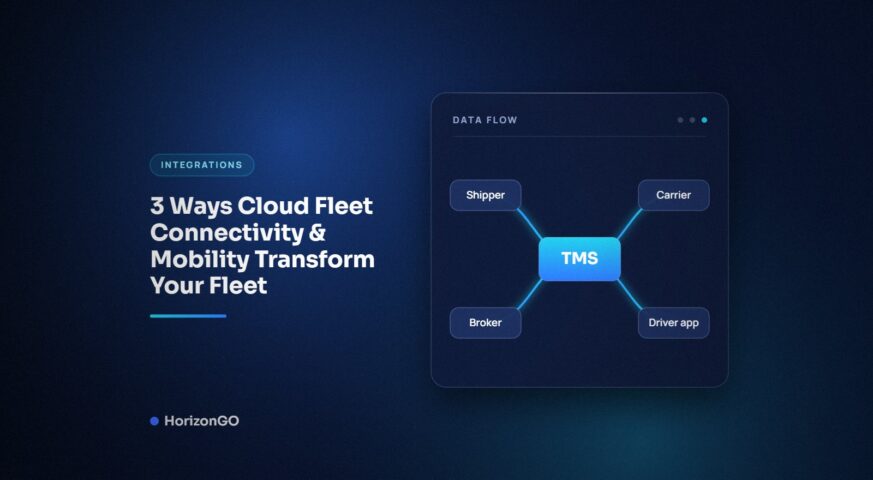
Quick Answer: Cloud fleet connectivity links trucks, drivers and the office through one online system, so location, hours of service, documents and messages update in real time. It cuts check calls, speeds up paperwork and lets dispatch make decisions from live data instead of phone calls. Below, I’ll break down the 3 most practical ways cloud […]
Explore More
Quick Answer: Truck loads come from load boards, freight brokers, direct shipper contracts and dispatch services. Most new carriers start on load boards and brokers, then build direct shipper lanes that pay better and keep trucks busy. This guide walks through find truck load step by step. I’ve been in this industry for decades, and […]
Explore More
Quick Answer: Under FMCSA rules, property-carrying drivers must take a 30-minute break after 8 cumulative hours of driving. The break can be off duty, in the sleeper berth or on duty not driving, and it has to be 30 minutes in a row. This guide walks through fleet owners step by step. Fleet owners, let’s […]
Explore More
Quick Answer: Mobile technology for fleets means driver apps, ELDs, GPS tracking and document scanning that connect drivers to the office from the cab. A good setup lets drivers get loads, send PODs and message dispatch without phone calls or paperwork. Read on for a practical look at fleet manager. “Let’s be clear: your job […]
Explore More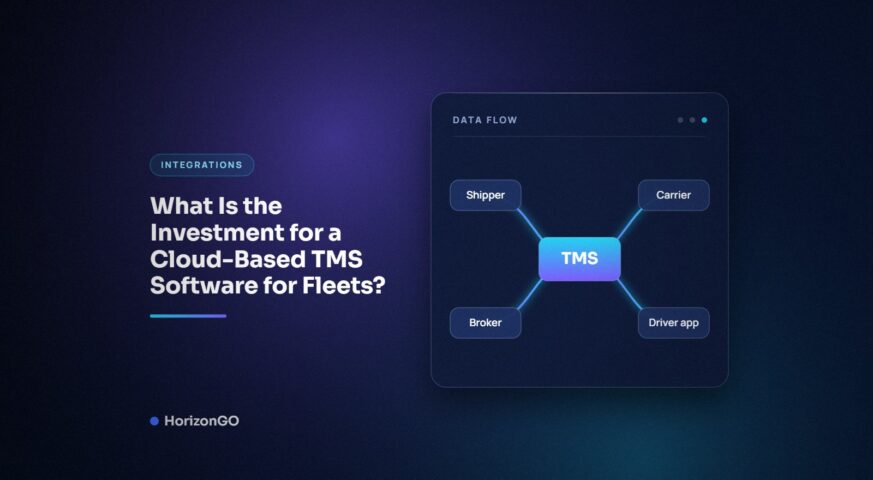
Quick Answer: A cloud-based TMS is usually priced per user or per truck per month, with setup and training on top. The return comes from faster invoicing, fewer check calls, less paperwork and better load planning, which most fleets measure in time saved and days shaved off getting paid. Below, I’ll walk you through what […]
Explore More
Quick Answer: To choose fleet management software, list your must-haves first: live GPS tracking, maintenance reminders, fuel and IFTA reporting, a driver app and ELD integration. Then compare pricing per truck, ease of use and whether it connects to your dispatch and accounting tools. Read on for a practical look at how to choose fleet […]
Explore More
Quick Answer: An electronic logging device (ELD) connects to the truck’s engine and records driving time automatically for hours-of-service compliance. Besides meeting the FMCSA mandate, it gives fleets live location, fewer logbook errors and easier IFTA reporting. ELD stands for Electronic Logging Device. The ELD is an electronic hardware device that monitors a vehicle’s operation, […]
Explore More
Quick Answer: Semi truck drivers in the US typically earn roughly $25 to $30 an hour on average, but most are paid by the mile or by the load rather than by the hour. Experience, freight type, region and whether you are a company driver or owner-operator change the number a lot. Transportation plays an […]
Explore More
Quick Answer: To become a successful owner-operator, know your cost per mile, keep cash reserves, choose between leasing on and running your own authority, find reliable freight and stay compliant with HOS and ELD rules. Tight cost control is what separates the operators who last. A typical owner-operator fleet is small, with one or two […]
Explore More
Quick Answer: A good carrier manager or carrier management system helps you onboard carriers quickly, verify authority and insurance, track performance and catch fraud early. Choose one that checks FMCSA data automatically and connects to your TMS. The carrier Manager uses software called carrier Management Software that allows trucking and logistics companies to manage their business operations. […]
Explore More
Quick Answer: Supply chain management software helps companies plan, source, store and move goods, covering inventory, procurement, warehousing and transportation. The right choice depends on whether you mainly need planning, warehouse control or transportation management. Companies may use supply chain management to find the ingredients they need to manufacture a product and then deliver it […]
Explore More
Quick Answer: Fleet maintenance software tracks service schedules, inspections, repairs and parts so trucks stay on the road and pass DOT inspections. Look for preventive maintenance alerts, DVIR integration, cost tracking per vehicle and a mobile app for technicians. Fleet management software is a system that assists fleet shareholders in tracking, maintaining, analyzing, and improving […]
Explore More
An honest 2026 comparison of the best TMS software for trucking carriers, freight brokers, small fleets and shippers, with what to check before you buy.
Explore More
Quick Answer: A successful hotshot trucking business needs a 1-ton pickup, a gooseneck or flatbed trailer, USDOT and MC authority, commercial insurance and a steady source of loads. Register the business properly, get an EIN from the IRS and track your cost per mile from the start. What is hotshot trucking? At the Simplest hotshot […]
Explore More
Quick Answer: A good dispatch software demo should run your real workflow: book a load, dispatch it, track it, collect the POD and send the invoice. Prepare a short checklist, involve a dispatcher and a driver, and ask about pricing, onboarding and support before you sign. If you’re searching for trucking dispatch software, you’re probably […]
Explore More
Quick Answer: To become a freight broker in the US, form a business, apply for broker authority (USDOT and MC numbers) with FMCSA, file a $75,000 BMC-84 surety bond or BMC-85 trust, and name a BOC-3 process agent. Most brokers also carry contingent cargo insurance and use broker TMS software. The freight and shipping sector […]
Explore More
Quick Answer: Shipment tracking software shows where a shipment is and sends status updates to customers automatically. The best tools combine live GPS or carrier data, branded tracking pages, delivery alerts and integrations with your TMS or e-commerce platform. Below, we’ll explore the best shipment tracking software and why it matters. For shippers, the delivery […]
Explore More
✅Quick Answer If you have more than a couple of trucks, “where is the truck right now?” is probably the question your office hears most. Truck tracking software answers it from the ELD or a GPS unit and shows every truck on one map, along with ETAs, hours of service and stop history. Below we […]
Explore More
✅Quick AnswerWinter Driving Safety Tips for Truck Drivers in America: Winter Driving Safety Tips for Truck Drivers in America Operating a truck during a snowstorm is challenging due to slick roads, poor visibility, and the risk of getting lost. Winter storms pose a significant danger to truck drivers, especially those on long-distance trips. Winter Driving […]
Explore More
Quick Answer: To become a truck dispatcher, learn how freight, load boards and rate negotiation work, pick a niche such as dry van or flatbed, and either join a carrier or start your own dispatch service with a written agreement and a commission rate. No federal license is required to dispatch for a carrier. Read […]
Explore More
Quick Answer: The best trucking dispatch software gives you a visual dispatch board, live GPS, hours-of-service visibility, a driver app, document scanning, load board links and invoicing from load data. Small fleets should prioritise ease of use; larger fleets need reporting and integrations. With several distinct trucking dispatch software suppliers, it’s understandable that finding the perfect […]
Explore More
✅Quick Answer: Hotshot trucking is a type of trucking that specializes in the delivery of time-sensitive, small to medium-sized loads. Hot shot truckers typically use pickup trucks or small semi-trucks to transport their loads, and they often have to travel long distances to make their deliveries. Hotshots trucking is a great option for businesses needing […]
Explore More
Quick Answer: Starting a trucking business with one truck means forming a company, getting your USDOT and MC authority, buying commercial insurance, filing BOC-3, UCR, IRP and IFTA, and finding steady loads. Know your cost per mile before you quote your first rate. Plenty of today’s mid-size fleets started with one truck and one person […]
Explore More
A carrier management system helps carriers, brokers, and shippers onboard, vet, dispatch, track, and pay carriers from one platform. Learn the 9 core features, benefits, KPIs, and how to choose the right CMS in 2026.
Explore More
✅Quick Answer: The best load board for truckers maintains your time slots full, allowing you to spend less time seeking work and spending more time driving. Truckers without freight board permission can use load boards to get experience, create a name, and communicate directly with shippers and brokers. What is Load Board? A load board is a […]
Explore More
Quick Answer: The average MPG of a semi truck is about 6 to 7 miles per gallon. Newer aerodynamic tractors on flat highway runs can reach 8 to 9 mpg, while heavy loads, mountain routes, idling and high speeds pull the number down to 5 or less. The Semi Truck average mpg can vary based […]
Explore More
✅Quick Answer: The average fuel mileage for semi trucks is 8.5 miles per gallon. Also, know the factors and tips for saving fuel mileage. Below, you will learn the facts and figures for average fuel mileage and how to manage fuel efficiency. What Is The Average Fuel Mileage For Semi Trucks? In today’s era, fuel […]
Explore More
Quick Answer: The best roads for truck drivers are wide interstates with good truck parking, fuel stops and gentle grades, such as long stretches of I-80, I-40 and I-10. The roads drivers like least are steep mountain passes, congested urban corridors and routes with little safe parking. Both large cities and rural areas are connected […]
Explore More