Quick Answer: A carrier management system (CMS) is software that helps shippers, freight brokers, and trucking companies find, vet, onboard, contract, dispatch, track, and pay carriers from one platform. It replaces spreadsheets, email chains, and phone calls with a single source of truth for carrier compliance, rates, capacity, and performance, so every load moves with the right carrier at the right price.
If you manage more than a handful of carriers, you already know the pain: insurance certificates that expire without warning, rate confirmations buried in inboxes, and no clear answer to “which carrier actually delivers on time?” A modern carrier management system fixes that. In this 2026 guide, we explain what a carrier management system is, the 9 core features to look for, the real benefits for carriers and brokers, and how to choose the right platform for your fleet.
HorizonGO has built transportation management software for carriers and brokers since 1984 (formerly Melton Technologies), so this guide draws on four decades of helping US fleets manage carriers, loads, and drivers.
On this page
What Is a Carrier Management System?
A carrier management system is a module or standalone application, usually part of a transportation management system (TMS), that manages the full lifecycle of your relationship with motor carriers. That lifecycle includes:
- Sourcing – finding carriers with capacity on the lanes you need.
- Vetting and onboarding – checking USDOT/MC authority, insurance, safety ratings, and W-9s.
- Contracting – storing agreements, accessorial terms, and negotiated rates.
- Dispatch and tracking – tendering loads, sending rate confirmations, and following shipments in real time.
- Settlement – matching invoices to rate cons and paying carriers accurately.
- Performance review – scoring carriers on on-time delivery, claims, and communication.
For brokers and shippers, the system protects against fraud and compliance risk. For asset-based carriers, a carrier management system also manages owner-operators and partner carriers you hand loads to. Either way, the goal is the same: fewer surprises, faster loads, and better margins. If you are new to the topic, our guide on how to choose the best carrier manager covers the human side of the role.

Carrier Management System vs. TMS: What Is the Difference?
People often use the terms interchangeably, but they cover different scopes. A TMS runs the whole transportation operation; a carrier management system focuses on the carriers inside it.
| Carrier Management System (CMS) | Transportation Management System (TMS) | |
|---|---|---|
| Main focus | Carrier relationships, compliance, and performance | End-to-end freight operations |
| Key users | Carrier reps, brokers, procurement | Dispatchers, drivers, accounting, management |
| Core functions | Onboarding, insurance monitoring, rates, scorecards | Quoting, dispatch, routing, tracking, billing, settlements |
| Typical setup | Module inside a TMS or standalone tool | Full platform that can include a CMS |
In practice, most growing fleets get the best results when carrier management lives inside their TMS, so that carrier data flows straight into dispatch and billing. See how HorizonGO handles this for carriers and freight brokers.
9 Core Features of a Carrier Management System
Not every platform is equal. These are the features that separate a powerful carrier management system from a glorified contact list:
1. Automated Carrier Onboarding
Carriers fill out a digital packet (W-9, insurance, authority, banking) and the system verifies their USDOT and MC numbers against the FMCSA SAFER database. What used to take days now takes minutes.
2. Insurance and Compliance Monitoring
The best carrier management system watches for expired insurance, revoked authority, and changes in safety rating, and alerts you before you tender a load. Compliance rules from the Federal Motor Carrier Safety Administration change often, so automatic monitoring is essential. Keep an eye on ELD compliance too, see our FMCSA ELD revocation list guide.
3. Fraud and Identity Checks
Double brokering and identity theft cost the freight industry millions each year. Look for checks on contact details, recently changed authority, and mismatched phone or email data before a carrier is approved.
4. Rate and Contract Management
Store contract rates, spot quotes, fuel surcharges, and accessorials in one place, so dispatchers always quote and pay the correct amount.
5. Load Tendering and Rate Confirmations
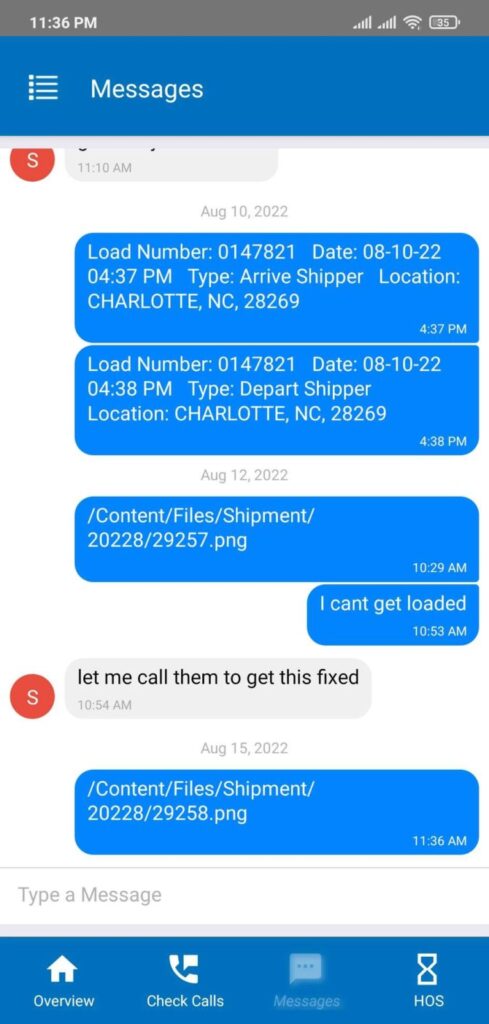
Tender loads to preferred carriers with one click and send rate confirmations automatically. This connects directly with trucking dispatch software so nothing is re-keyed.
6. Real-Time Tracking and Visibility
GPS and ELD integrations show where every load is, without check calls. Integrations via EDI or API keep shippers updated automatically.
7. Carrier Scorecards and Performance KPIs
Score each carrier on on-time pickup and delivery, tender acceptance, claims, and responsiveness. Data-driven scorecards help you reward your best partners with more freight.
8. Document Management
Bills of lading, PODs, and lumper receipts are scanned from the driver app and attached to the load, ready for billing.
9. Settlements and Carrier Payments
Match carrier invoices against rate confirmations and PODs, flag discrepancies, and pay faster. Fast, accurate payment is one of the top reasons carriers choose to haul for you again.
Benefits of Using a Carrier Management System
Here is what fleets and brokers typically gain after moving from spreadsheets to a carrier management system:
- Lower risk: automatic compliance and insurance checks reduce exposure to uninsured or fraudulent carriers.
- Faster coverage: preferred-carrier lists and one-click tendering cover loads in minutes, not hours.
- Better margins: rate history and lane data support smarter negotiation.
- Fewer billing errors: invoices are matched to rate cons and PODs automatically.
- Stronger relationships: carriers get paid on time and receive consistent, clear communication.
- Clear visibility: managers see carrier performance and capacity in one dashboard.
Industry research from the American Transportation Research Institute (ATRI) consistently shows that rising operating costs make efficiency gains like these critical for carrier profitability.
Common Carrier Management Challenges (and How Software Solves Them)
Even experienced teams run into the same problems again and again. Here is how a carrier management system addresses each one:
Expired Insurance and Lapsed Authority
Without automation, a carrier’s insurance can lapse between loads and nobody notices until a claim is filed. Continuous monitoring flags the change immediately and blocks the carrier from new tenders until updated documents arrive.
Double Brokering and Carrier Fraud
Fraudsters impersonate legitimate carriers or re-broker loads without permission. Identity checks, authority-age rules, and contact verification inside the carrier management system make it far harder for bad actors to get approved.
Scattered Data Across Spreadsheets and Inboxes
When carrier details live in five different places, dispatchers waste time hunting for the right phone number or rate. A central carrier profile keeps contacts, documents, lanes, equipment types, and history together.
Slow Carrier Payments
Carriers remember who pays on time. Matching invoices to rate confirmations and PODs automatically shortens the payment cycle and reduces disputes, which helps you keep reliable capacity during peak season.
What Is Multi-Carrier Management?
Multi-carrier management means running freight across many carriers, often a mix of asset carriers, owner-operators, and partner brokers, from one system. A multi-carrier transport management system lets you compare rates, capacity, and performance side by side and pick the best option for each load instead of relying on one or two favorite carriers.
Carrier Performance KPIs to Track
A carrier management system is only as useful as the metrics it tracks. These are the KPIs most fleets and brokers monitor for every carrier:
Carrier Scorecard: Healthy Targets
What a well-run carrier network usually hits
Invoice accuracy
98%+
On-time pickup
95%+
On-time delivery
95%+
Tracking compliance
90%+
Tender acceptance
85%+
Full definitions for each KPI are in the table below.
| KPI | What It Measures | Healthy Target |
|---|---|---|
| On-time pickup | Share of loads picked up within the appointment window | 95%+ |
| On-time delivery | Share of loads delivered within the appointment window | 95%+ |
| Tender acceptance rate | Share of offered loads the carrier accepts | 85%+ for contracted lanes |
| Claims ratio | Cargo claims per 100 loads | Under 1 |
| Tracking compliance | Share of loads with live GPS or ELD tracking | 90%+ |
| Invoice accuracy | Invoices that match the rate confirmation first time | 98%+ |
Targets vary by freight type and lane, so set your own baseline in the first 90 days and improve from there.
How to Implement a Carrier Management System in 5 Steps
Step 1: Audit Your Current Carrier Data
Export every carrier from spreadsheets, email, and your accounting system. Remove duplicates and inactive carriers before you migrate anything.
Step 2: Define Onboarding and Compliance Rules
Decide your minimum requirements: authority age, insurance limits, safety rating, and required documents. Your carrier management system will enforce these rules automatically.
Step 3: Import Contracts and Rates
Load contracted lane rates, fuel surcharge tables, and accessorial terms so dispatch can quote and pay accurately from day one.
Step 4: Connect Dispatch, Tracking, and Accounting
Integrate ELDs, load boards, and accounting so carrier data flows through the whole load lifecycle without re-keying.
Step 5: Train Your Team and Review Monthly
Train dispatchers and carrier reps, then review carrier scorecards every month. Move more freight to top performers and coach or replace carriers that fall behind.
Who Needs a Carrier Management System?
- Freight brokers who onboard dozens or hundreds of new carriers every month.
- Asset-based carriers who broker overflow loads to partner carriers and owner-operators.
- Hybrid carrier-brokers who need asset and brokerage operations in one platform.
- Shippers with a private fleet plus a routing guide of contracted carriers.
- 3PLs managing carriers on behalf of multiple customers.
Running both trucks and brokerage? HorizonGO’s hybrid TMS was built for exactly that model.
How to Choose the Right Carrier Management System
Use this checklist when you compare platforms:
- Fit for your business model – carrier, broker, or hybrid.
- Integrated with dispatch and accounting – avoid double entry between tools.
- Compliance automation – FMCSA authority, insurance, and safety monitoring built in.
- Driver mobile app – for tracking, document scanning, and messaging.
- Integrations – ELDs, load boards, fuel cards, QuickBooks, and EDI.
- Reporting – carrier scorecards and lane profitability.
- Support and onboarding – a real partner, not just a login.
- Total cost – compare subscription, setup, and per-user pricing.
For a broader comparison of platforms, read our roundup of the best TMS software in 2026 and our carrier management software buyer’s guide.
Small Fleet vs. Enterprise: Carrier Management Needs Compared
| Need | Small Fleet / Owner-Operator Network | Mid-Size to Enterprise |
|---|---|---|
| Carrier volume | 5–50 partner carriers | Hundreds to thousands |
| Top priority | Simple onboarding and fast payments | Compliance automation and scorecards at scale |
| Integrations | ELD, load boards, QuickBooks | EDI/API with shippers, ERP, multiple ELDs |
| Best fit | All-in-one cloud TMS | TMS with advanced carrier management and reporting |
Whatever your size, choose a platform that can grow with you, so you never have to migrate carrier data twice. Small fleets can also learn more in our guide on starting a trucking business with one truck.
The Future of Carrier Management: AI and Automation in 2026
Carrier management is moving quickly from manual checklists to intelligent automation. The biggest trends shaping carrier management systems in 2026 include:
- AI-powered carrier matching: recommending the best carrier for each load based on lane history, price, and performance.
- Predictive risk scoring: spotting carriers whose safety or compliance profile is trending in the wrong direction.
- Automated document processing: reading rate cons, BOLs, and PODs without manual entry.
- API-first connectivity: real-time data exchange with shippers and partners, replacing batch EDI where possible.
- Embedded payments: faster, trackable carrier settlements directly inside the platform.
HorizonGO is investing in AI-powered features across dispatch and carrier management. Learn more about the shift in our article on moving from EDI to APIs in logistics software.

How HorizonGO Helps You Manage Carriers
HorizonGO is an AI-powered, cloud-based TMS for carriers, brokers, and hybrid logistics companies. Its carrier management tools sit inside the same platform as dispatch, tracking, and settlements, so you can:
- Track every truck and load in real time on a live map.
- Assign and reassign loads with a drag-and-drop scheduler that shows driver HOS.
- Scan BOLs and PODs from the driver app for faster billing.
- Run settlements and carrier payments with automated calculations.
- Report on fleet performance, load efficiency, and revenue trends.
Want to see it with your own lanes and carriers? Book a free live demo of HorizonGO and our team will walk you through carrier management step by step.
Related Guides
- What Is a TMS in Trucking? Transportation Management System Explained
- How to choose the Best Carrier Manager?
- Best Logistic Software of 2026
- Top Best Supply Chain Management Software’s
Frequently Asked Questions About Carrier Management Systems
What is the difference between a CMS and a TMS?
A TMS manages the entire transportation operation, including quoting, dispatch, routing, tracking, and billing. A carrier management system focuses specifically on carrier relationships, compliance, rates, and performance, and is often a module inside a TMS.
What is carrier contract management?
Carrier contract management is the process of storing, negotiating, and enforcing agreements with carriers, including base rates, fuel surcharges, accessorials, and service levels, so loads are quoted and paid correctly.
How does a carrier management system prevent freight fraud?
It verifies USDOT and MC authority against FMCSA data, monitors insurance and safety status, and flags suspicious changes in carrier contact or banking details before a load is tendered.
What is a TMS for carriers?
A carrier TMS is transportation management software built for asset-based trucking companies. It handles loads, dispatch, drivers, tracking, settlements, and invoicing, and often includes carrier management for partner carriers and owner-operators.
How much does a carrier management system cost?
Pricing varies by vendor, fleet size, and features. Most cloud platforms charge a monthly subscription per user or per truck. Ask vendors for a demo and a quote based on your number of trucks, users, and loads per month.
Conclusion
A carrier management system turns carrier chaos into a repeatable, compliant process. It protects you from fraud, covers loads faster, and gives you the data to build long-term partnerships with your best carriers. If you are still juggling spreadsheets and email, now is the time to upgrade. Explore HorizonGO’s features or request a free demo today.