

Imagine a load arrives overnight, but no one sees it until 8:00 AM. By then, the deadline has passed, the broker has reassigned the freight, and your truck is sitting empty. This isn’t just a coordination error; it’s a technology gap.
This is the real-world impact of the EDI vs. API debate.
𝗘𝗗𝗜 𝘃𝘀 𝗔𝗣𝗜: 𝗪𝗵𝗶𝗰𝗵 𝗼𝗻𝗲 𝗶𝘀 𝗰𝗼𝘀𝘁𝗶𝗻𝗴 𝘆𝗼𝘂 𝗹𝗼𝗮𝗱𝘀?
Have you ever wondered why some loads show up late?
Or why your team finds a load hours after it was sent?
The answer could be EDI vs API.
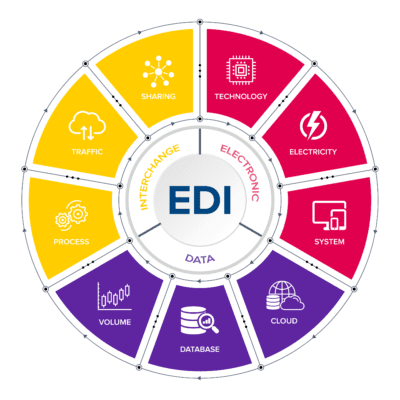
📬 EDI sends information in files. It’s reliable, but there can be a delay before the data is available.
⚡ API shares information instantly. The moment a load is created or updated, your system knows about it.
In logistics, even a few minutes can make the difference between winning a load and losing one.

Where This Actually Shows Up on a Dispatch Floor
Big retail-connected shipper, the Walmarts, the major grocery chains, the large 3PLs — grew up on EDI. Their whole compliance structure is built around it: load tender (204), your response (990), shipment status (214), invoice (210). If you want their freight, you take their EDI. There’s no negotiating that away.
But the moment you look at anything built in the last few years — a modern broker, a digital load board, your ELD provider, your factoring company — it’s API. Real-time GPS pings, live rate quotes, instant load matching. These tools weren’t designed to wait for a batch file.
So most dispatchers aren’t choosing one. They’re running both, every single day, without necessarily thinking about which is which. The load from the big grocery account comes in through EDI. The load from the digital freight platform comes in through API. Same driver, same truck, two completely different pipes feeding the board.
The Real Problem Isn’t EDI or API. It’s Having Two Screens.
Here’s what actually costs carriers money: not EDI, not API, but a dispatcher having to check two separate systems to see the full picture. One tab for the EDI portal. One tab for the TMS. A driver update comes through API and updates instantly on one screen — but the EDI-fed load sitting in the other tab hasn’t refreshed in three hours, and nobody notices until the customer calls asking why there’s been no status update.
That gap is where loads get missed, tenders go unanswered, and dispatchers burn hours doing something a computer should be doing for them — just re-typing the same load information from one screen into another.

What Actually Works: One Board, Both Feeds
The carriers who aren’t losing sleep over this aren’t the ones who “picked” API over EDI. They’re the ones whose TMS pulls both feeds into one dispatch queue. A load is a load, whether it landed in the system through an EDI 204 from a retail shipper or through an API call from a digital broker. The dispatcher shouldn’t have to know or care which pipe it came through — they should just see it on the board, respond to it, and move on.
That’s the actual fix. Not choosing a side. Making the technology invisible to the people doing the work.
If your dispatch team is still bouncing between an EDI portal and your TMS, that’s not a small annoyance, it’s the exact kind of gap where a load tender sits unanswered until it’s too late, or a status update never makes it to the customer on time. Worth asking your TMS provider one direct question: does everything land in one queue, or are your dispatchers still doing the syncing by hand?
HorizonGO pulls EDI and API load data into a single dispatch board, so your team stops checking two systems and starts working from one. See how it works →


