Quick Answer: To become a truck dispatcher, learn how freight, load boards and rate negotiation work, pick a niche such as dry van or flatbed, and either join a carrier or start your own dispatch service with a written agreement and a commission rate. No federal license is required to dispatch for a carrier. Read on for a practical look at how to become a truck dispatcher.
“How can I become a truck dispatcher?” This is a commonly asked question. The response to that inquiry comes with a follow-up question: are you interested in working as a truck dispatcher for a company or as a freelancer?
Freight dispatcher is a fast-paced and lucrative sector valued at over $900 billion each year. It provides exciting tasks, attention, and competitive income. A career as a truck dispatcher is one method to break into the shipping sector. The truck dispatcher’s meaning is that you merely wish to work as a truck dispatcher for another firm.
You can hunt for open truck dispatcher openings on job boards or approach specific carriers and express your interest in working as a freight dispatcher. You might inquire whether they would be prepared to train you or offer you entry-level employment. Many dispatching companies may want at least a high school certificate or GED, as well as some perceived service.
Dispatchers are responsible for dispatching in and out trucks for firms delivering commodities. Like so many other occupations in the freight sector, Dispatching may be rewarding. To be effective in this profession, you must have a sharp eye for detail and a well-organized mind. If you possess such traits, this could be a worthwhile profession.
On this page
What is a Dispatcher?
Truck dispatchers, also known as freight dispatchers, speak with the shipping client to get cargo information, schedule a pickup time, and note any special handling or delivery needs. The dispatcher then creates routes, sometimes referred to as commercial shipping, and works with fleet drivers to complete the pickups and deliveries. What Does a Dispatcher Do? Dispatchers are used in several sectors to serve as a company’s or organization’s communications center.
They answer phones and then interact with the relevant mobile units responding to a request. They make sure that the correct people or things get to the right location at the right time, whether it’s through trucks or emergency services. Dispatchers, especially those who work in emergency services, must stay relaxed and clear-headed due to the nature of their jobs.
Difference between a Freight Dispatcher and a Truck Dispatcher
Freight brokers manage the connection between shippers and carriers by serving as a link. They also select carriers and negotiate pricing on behalf of shippers. On the other hand, Brokers aren’t generally in charge of the physical collection and delivery of goods. The actual process of moving cargo is organized by freight dispatchers (also known as truck dispatchers). A freight dispatcher collaborates with the transport, whereas a consultant sits between passengers and cargo.
The primary duty of a broker is to generate new business. They assist truck drivers and transportation businesses in finding additional loads to transport and shippers in lowering their expenses and negotiating the lowest available rate.
The fundamental responsibility of a truck dispatcher is to carry out orders. They are in charge of organizing timetables and arrangements and dispatching drivers to complete cargo. These primary duties may conflict at times, but they are essentially distinct. A freight broker is similar to the general director of a hockey club, although a freight dispatcher is similar to a coach. Both perform an important function. However, a dispatcher is more involved on the front edges, while a broker is more involved in the back office.
The individual trader may contact a freight firm on behalf of a customer who needs to send a truck of veggies. They’ll discuss pricing and provide all or most of the job’s data to the melton trucking business. The shipping company’s truck dispatcher usually collects that data and coordinates with the agent or customer to arrange for the veggies to be collected. They also send out a driver to finish the task.
What is the Average Pay for a Truck Dispatcher?
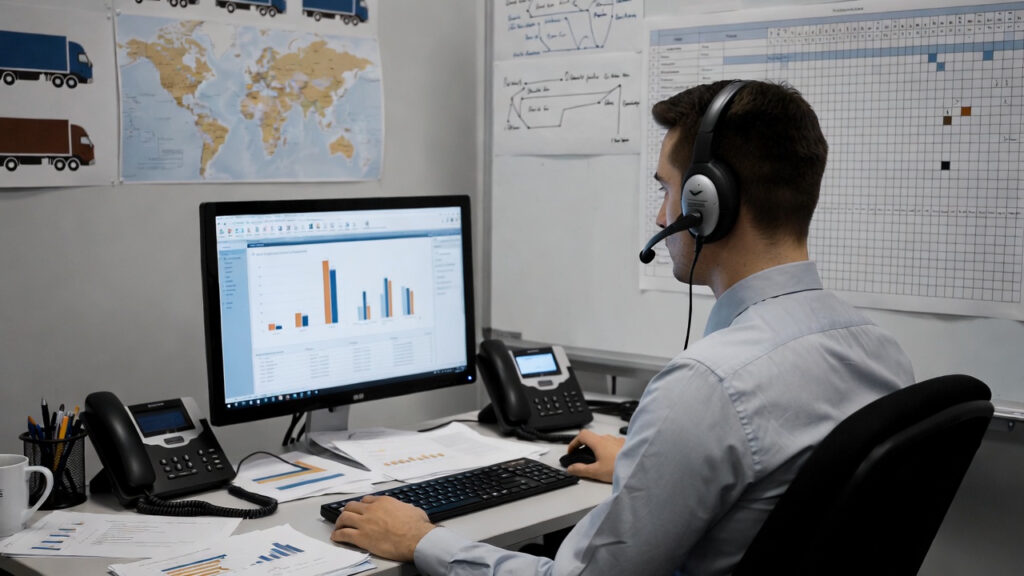
The most important question that everyone wants to know is how many truck dispatchers make. According to the United States Bureau of Labour Statistics, dispatchers in the commercial shipping business earn an hourly wage of $21.96 as of May 2019. According to the same research, freight dispatchers earn a median yearly pay of $45,670. Truck dispatchers with the highest pay might earn more than $35 per hour or more than $70,000 per year.
How Secure is a Position as a Truck Dispatcher?
For the foreseeable future, freight dispatchers will be in high demand. Do most people want to know how to be a dispatcher? According to the American Truck Association, the freight shipping business in the United States will expand by about 35% throughout the next few years. According to agreed terms and forecasted data, the expected income will rise from $879 billion in 2020 to more than $1.4 trillion by 2031. As a result of this perspective, freight dispatchers should expect employment stability and security. They frequently work as freight agents, and freight brokers, or even create their shipping businesses. Some people go behind the wheel and work as investor freight operators. It’s simpler to advance into more incredible shipping jobs after you have a solid foundation in the business.
Truck Dispatcher’s Roles and Duties:
Typically, a shipping business or a founder hires truck dispatchers immediately. A freight business could hire them to organize a specific set of shipping lines. Either they could be the spouse or relative of a freight truck driver who manages operations for a sole proprietorship. As independent freight dispatchers, some freight operators operate for many transportation companies.
The fundamental responsibilities are the same regardless of who they work for. A freight dispatcher’s primary responsibilities include:
Responsibilities of Truck Dispatcher
- Pickups and delivery services should be scheduled ahead of time. This entails interacting with the client personally, generally over the phone or via email, to schedule a cargo lead time. Operators can coordinate the drop-off with the firm or use the service-delivered freight.
- Make a route map. A shipping lane is a preset path that a transport operator follows. The truck dispatcher frequently draws up these routes, and they aid in determining delivery times.
- Collaborate with consumers and transporters. Road conditions, barriers, and client requirements can affect pickup and delivery times. To ensure that the freight reaches on schedule and the correct place, the dispatcher must cooperate with the drivers and the client.
- Maintaining records, checking daily logs for mistakes or violations, and keeping track of drivers’ working hours and equipment availability.
- We are using several computer tools to keep track of the weather at all of the drivers’ locations to detect possible problems.
- He served as a dependable point of contact to reconcile the health and safety of drivers with customers’ needs.
- Freight dispatchers are also responsible for monitoring the health and performance of the ship’s operators. A truck dispatcher’s tasks include:
Health & safety:
Dispatchers keep track of deadlines or responsibilities to ensure that drivers get enough rest and stay healthy.
Satisfaction of customers:
Customers’ complaints are tracked and logged, and late deliveries are recorded.
Performance:
Wherever feasible, truck dispatchers seek to save time and money by combining cargo and schedules. They also watch the weather and traffic to direct their drivers to the most efficient routes. The freight is delivered on schedule and in the correct place.
Skills to Start a Successful Truck Dispatcher Company:
The most excellent truck dispatchers combine social and technical abilities to address problems in all aspects of the supply chain. They require an excellent eye for detail since they check hundreds of papers and reports for mistakes.
Drivers, shipping clients, and freight receivers have distinct aims and objectives. Therefore communication skills are necessary. The cargo operator should find a solution to meet these opposing demands while also organizing everyone to complete the task.
Steps to Become an Independent Truck Dispatcher
The steps below can help you learn dispatch how to become a dispatcher:
1. Fulfil the Educational and Truck Dispatch Training Requirements.
You’ll need a high school education at the very least. Consider enrolling in a truck dispatching school, which will provide you with an introduction to the profession and essential skills for success. For example, online truck dispatcher training classes may help you become ready for your future employment. That is unnecessary, and it’s an excellent way to start, like dispatching classes.
2. Think About Getting An Associate’s Diploma.
Although an associate’s diploma in shipping, travel, or any other similar profession is not required, many employers prefer people who have one. You may also use an associate’s degree as a stepping stone to a bachelor’s degree, giving you a competitive advantage over other candidates.
3. Obtain Industry Experience
Working in transportation, freight dispatcher, or shipping and receiving can help you earn industry experience. You should also identify yourself with the rules governing freight transportation, load limitations, and safety rules in your area, region, and national jurisdictions. This will assist you in acquainting yourself with this essential information, which will help deal with scheduling and trucking dispatch freight concerns.
4. Obtain a Business License.
Once you’re willing to start your own business You have to pick a name, make sure it’s not already in use, and register your firm. You must fulfill the truck dispatcher license requirements. You can run your business owner. However, it’s a great thing to register as a Limited Liability Corporation (LLC). If something goes wrong with your firm, an LLC can assist in safeguarding your assets.
Step 5: Join a recognized web forum.
When someone wishes to work as a truck dispatcher, you’ll need to find operators and cargo for them to transport. When you register for a load board, customers have access to each.
Step:6 Communicate between exporters and agents.
Logistics companies comprise firms with freight that must be picked up and taken. Consultants act like go-for freight forwarders. Because you’re working as the carrier’s management as a freight dispatcher, you’ll need to contact shippers and brokers to locate assignments for your drivers. As you establish relationships with additional shippers and brokers, you’ll be able to dispatch more cargo and handle more routes; that’s where you’ll earn profit.
How can load boards assist truck dispatchers in finding loads?
A sort of internet marketplace is a load board. Companies list goods that need to be moved on the board, hoping that a carrier would accept the task. However, several carriers, operators, or significant transportation corporations are continually vying for jobs and promoting their services on the boards. You may communicate with freight brokers on the bulletin boards to arrange pickups for your drivers. The top load boards change in actual time, allowing you to obtain jobs and assign trucks to them quickly.
Truck Dispatcher Jobs and Pay
Truck dispatchers work for carriers, brokers or as independent dispatchers. Many roles are remote, and pay depends on experience and the number of trucks managed.
Truck Dispatcher Career Path
- Learn freight basics
- Take dispatcher training
- Practice on load boards
- Learn dispatch software
- Start as assistant dispatcher
- Move to fleet dispatcher
- Go independent
- Grow your truck count
Starting your own business? Read how to start a truck dispatch business and dispatcher certification.
How to Start a Dispatch Business with No Money
| Step | Action | Free Resource |
|---|---|---|
| 1 | Use your existing computer and phone | your own equipment |
| 2 | Learn from free videos | YouTube truck dispatcher training |
| 3 | Join free communities | Facebook trucking groups |
| 4 | Offer one free load to prove yourself | find owner-operator at truck stop |
| 5 | Use free load board trial | DAT, HorizonGO |
| 6 | Register business later | wait until you get paid |
How to Become a Truck Dispatcher from Home
| Step | What You Need | How To Get It |
|---|---|---|
| 1 | Computer | use what you have |
| 2 | Phone | your personal phone |
| 3 | Internet | home WiFi or hotspot |
| 4 | Training | AVAAL, HorizonGO, or YouTube |
| 5 | Load board | DAT, HorizonGO, Truckstop |
| 6 | Carriers | truck stops, Facebook groups, load board directories |
How to Get Clients as a Truck Dispatcher
| Method | How To Do It | Success Tip |
|---|---|---|
| Cold calling | Call trucking companies and ask if they need dispatch help | It is uncomfortable at first. It works. |
| Social media | Post in LinkedIn and Facebook trucking groups | Show what you know. Answer questions. |
| Referrals | Do great job for one driver | They will tell their friends. One client brings five more. |
| Networking events | Go to truck shows and industry conferences | Shake hands. Exchange numbers. |
| Load board directory | Use HorizonGO Directory | Find carriers needing dispatch help |
How Much Do Truck Dispatchers Charge?
Truck Dispatcher Commission Rates
Common ranges charged to carriers
Box truck and hotshot
5–10% per load
Dry van
4–8% per load
Reefer
5–8% per load
Flatbed
5–10% per load
Typical market ranges. Rates depend on services included and carrier volume.
| Fee model | How it works | Best for |
|---|---|---|
| Percentage per load | Commonly 5–10% of the load gross | Most independent dispatchers |
| Flat weekly fee | Fixed fee per truck per week | Carriers with steady volume |
| Flat fee per load | Set amount per booked load | Occasional or part-time dispatching |
Dispatchers who book loads for carriers generally do not need broker authority, but if you start arranging freight for shippers yourself, you may need it. Check the rules on FMCSA registration.
Tools Every New Dispatcher Needs
A good dispatch setup saves hours every day: a load board subscription, a reliable phone and messaging system, and dispatch software to manage loads, documents and invoices for every carrier. Compare options in our guide to the best trucking dispatch software, and read our dispatcher tips for daily success.
State-by-State Guide to Starting Your Dispatch Business
Texas
Texas is the largest trucking market in the US. Over 500,000 commercial trucks operate on Texas highways annually. Major freight corridors include I-35, I-10, and I-45 connecting Dallas, Houston, San Antonio, and El Paso. Common commodities include oilfield equipment, agricultural products, and construction materials.
What to do in Texas:
- Research the Texas freight market and seasonal peaks
- Complete dispatcher training program
- Subscribe to load boards like DAT or Truckstop.com
- Build network through Texas Trucking Association
- Set up professional workspace with dual monitors
| Resource | Link |
|---|---|
| Register your business | sos.texas.gov |
| Texas Trucking Association | texastrucking.com |
| DAT Load Board Texas | dat.com |
| FMCSA Registration | fmcsa.dot.gov |
Tip: Texas does not require a specific license to work as a dispatcher. However, understanding FMCSA regulations is non-negotiable. Familiarize yourself with the ELD mandate, it affects driver availability and scheduling .
California
California has the strictest trucking regulations in the US, including AB5 and aggressive enforcement. You need to understand these rules before dispatching carriers based in California. Major freight hubs include Los Angeles, Long Beach, Oakland, and Fresno. The state has high demand for dispatchers who know port markets.
What to do in California:
- Obtain Motor Carrier Permit from California DMV if operating commercial vehicles
- Register with California Secretary of State
- Get Freight Broker License from FMCSA if supporting transport
- Understand AB5 and independent contractor laws
- Build relationships with port drayage carriers
| Resource | Link |
|---|---|
| Register your business | sos.ca.gov |
| California Trucking Association | caltrux.org |
| CA DMV Motor Carrier Permit | dmv.ca.gov |
| FMCSA Freight Broker License | fmcsa.dot.gov |
Tip: California requires a Motor Carrier Permit from the DMV if you plan to operate commercial vehicles. Freight brokers need a Freight Broker License from FMCSA to legally support transport .
Florida
Florida is a major freight destination with ports in Jacksonville, Miami, and Tampa. Dispatch opportunities are strong for carriers moving freight in and out of the state. The state also has significant agricultural and construction freight.
What to do in Florida:
- File for Sunbiz registration
- Get EIN from IRS
- Subscribe to load boards
- Connect with port drayage carriers
- Build relationships with agricultural shippers
| Resource | Link |
|---|---|
| Register your business | dos.fl.gov |
| Florida Trucking Association | floridatrucking.org |
| DAT Load Board Florida | dat.com |
| Sunbiz Registration | sunbiz.org |
Tip: Florida has no state income tax, which benefits independent dispatchers. The cost to register a business in Florida is around $125.
New York
New York has heavy congestion and strict parking rules. Dispatchers need to help drivers find safe parking and navigate city regulations. Major freight hubs include New York City, Buffalo, Albany, and Syracuse.
What to do in New York:
- Register with NY Department of State
- Get EIN from IRS
- Learn NYC commercial vehicle rules
- Help drivers find safe parking
- Build relationships with northeast carriers
| Resource | Link |
|---|---|
| Register your business | dos.ny.gov |
| NY State Motor Truck Association | nymta.com |
| DAT Load Board New York | dat.com |
| NYC DOT Commercial Vehicles | nyc.gov/dot |
Tip: New York City has strict commercial vehicle regulations including route restrictions and parking rules. Dispatchers who understand these rules provide valuable guidance to drivers.
Illinois
Chicago is the nation’s largest freight hub. Dispatchers here have access to more loads than almost anywhere else. I-80, I-55, I-57, I-90, and I-94 all converge in Chicago, creating massive freight volume.
What to do in Illinois:
- Register with IL Secretary of State
- Get EIN from IRS
- Subscribe to multiple load boards
- Connect with Chicago-based carriers
- Learn rail intermodal operations
| Resource | Link |
|---|---|
| Register your business | ilsos.gov |
| Illinois Trucking Association | illinoistrucking.org |
| DAT Load Board Illinois | dat.com |
| FMCSA Registration | fmcsa.dot.gov |
Tip: Chicago is a major rail hub. Understanding intermodal operations (rail + truck) can help you find better loads for carriers.
Georgia
Atlanta is a major distribution center. Many national carriers have terminals here. I-285 around Atlanta is one of the busiest trucking corridors in America.
What to do in Georgia:
- Register with GA Secretary of State
- Get EIN from IRS
- Build relationships with Atlanta-based carriers
- Learn HOS rules from FMCSA
- Subscribe to load boards
| Resource | Link |
|---|---|
| Register your business | sos.ga.gov |
| Georgia Motor Trucking Association | gmta.org |
| DAT Load Board Georgia | dat.com |
| FMCSA Hours of Service | fmcsa.dot.gov |
Tip: The cost to register a business in Georgia is about $100. Georgia has a growing logistics sector with many opportunities for dispatchers.
Ohio
Ohio is the crossroads of America. I-70 and I-75 intersect here, making it a prime location for dispatch. Columbus, Cincinnati, and Cleveland are all major freight hubs.
What to do in Ohio:
- Register with OH Secretary of State
- Get EIN from IRS
- Connect with Ohio-based carriers
- Learn Midwest freight patterns
- Subscribe to load boards
| Resource | Link |
|---|---|
| Register your business | sos.ohio.gov |
| Ohio Trucking Association | ohiotrucking.org |
| DAT Load Board Ohio | dat.com |
| FMCSA Safety Measurement System | fmcsa.dot.gov |
Tip: Registering a business in Ohio costs about $99. Ohio has a strong manufacturing base, creating consistent freight volumes.
Pennsylvania
Pennsylvania is adding 1,200 new truck parking spaces by the end of 2026. Dispatchers should know where drivers can park safely. I-76, I-78, I-80, and I-81 all carry heavy truck traffic.
What to do in Pennsylvania:
- Register with PA Department of State
- Get EIN from IRS
- Learn PA parking locations
- Build relationships with northeast carriers
- Subscribe to load boards
| Resource | Link |
|---|---|
| Register your business | dos.pa.gov |
| Pennsylvania Motor Truck Association | pmta.org |
| DAT Load Board Pennsylvania | dat.com |
| PennDOT Parking Information | penndot.gov |
Tip: Pennsylvania is actively expanding truck parking. Knowing where new spaces are opening helps drivers find safe parking .
North Carolina
North Carolina has growing manufacturing and distribution sectors. Dispatching here offers diverse freight options. The state has become a major e-commerce hub.
What to do in North Carolina:
- Register with NC Secretary of State
- Get EIN from IRS
- Connect with furniture and textile carriers
- Build relationships with Charlotte-based shippers
- Subscribe to load boards
| Resource | Link |
|---|---|
| Register your business | sosnc.gov |
| North Carolina Trucking Association | nctrucking.org |
| DAT Load Board North Carolina | dat.com |
| FMCSA Registration | fmcsa.dot.gov |
Tip: North Carolina is a major furniture and textile manufacturing state. Specializing in these commodities can help you find consistent freight.
Tennessee
Memphis is a major freight hub with FedEx and many trucking companies. Nashville is also growing fast. I-40 and I-24 intersect here, creating strong freight lanes.
What to do in Tennessee:
- Register with TN Secretary of State
- Get EIN from IRS
- Connect with Memphis-based carriers
- Learn LTL and parcel shipping
- Subscribe to load boards
| Resource | Link |
|---|---|
| Register your business | sos.tn.gov |
| Tennessee Trucking Association | tntrucking.org |
| DAT Load Board Tennessee | dat.com |
| FMCSA Broker Resources | fmcsa.dot.gov |
Tip: Memphis is home to FedEx and many LTL carriers. Understanding LTL shipping can open more opportunities for dispatchers.
Other States Quick Reference
Here is the quick reference table for other states as you requested:
| State | Registration Link | Trucking Association |
|---|---|---|
| Arizona | azsos.gov | aztrucking.com |
| Colorado | sos.state.co.us | cotrucking.com |
| Indiana | in.gov/sos | indianatrucking.org |
| Kentucky | sos.ky.gov | kytrucking.com |
| Maryland | sos.maryland.gov | mdtrucking.org |
| Michigan | michigan.gov/sos | mitrucking.org |
| Minnesota | sos.state.mn.us | mntrucking.org |
| Missouri | sos.mo.gov | motrucking.org |
| New Jersey | nj.gov/state | njtrucking.com |
| Oklahoma | sos.ok.gov | oktrucking.org |
| Oregon | sos.oregon.gov | oregontrucking.com |
| South Carolina | scsos.gov | sctrucking.org |
| Virginia | commonwealth.virginia.gov | vatrucking.org |
| Washington | sos.wa.gov | watrucking.org |
| Wisconsin | sfs.wi.gov | witrucking.org |
How Do I Become A Certified Truck Dispatcher
Are you thinking of becoming a certified truck dispatcher but don’t know where to start? A dispatcher’s Job is key in the trucking industry today since it provides a path for success and career advancement in the energetic business environment.
Usually, you’ll need to finish a thorough truck dispatcher course to become certified. These courses are offered both in physical and online classes.
You will receive a certificate after confirming your proficiency in truck dispatching successfully. To be an excellent dispatcher, one must possess great communication skills and reliability.
Below, you will get a complete guide about” How do I become a certified truck dispatcher” and the necessary steps for a successful career in the dispatch industry.
You may read the related article:
You may read the related article: How do I become a truck dispatcher
Dispatchers Truck Training
In truck dispatching, training is an essenFtial part of any course; through these practical processes, dispatchers learn technical understanding and practical knowledge of transportation. In this training, expertise gives the ability to handle the truck in a standard or complex situation.
Several dispatcher companies offer training programs, both online and physical classes, including Max trucker dispatcher company. This company provides online or physical courses according to customer preferences.
Skills To Be Successful As A Truck Dispatcher
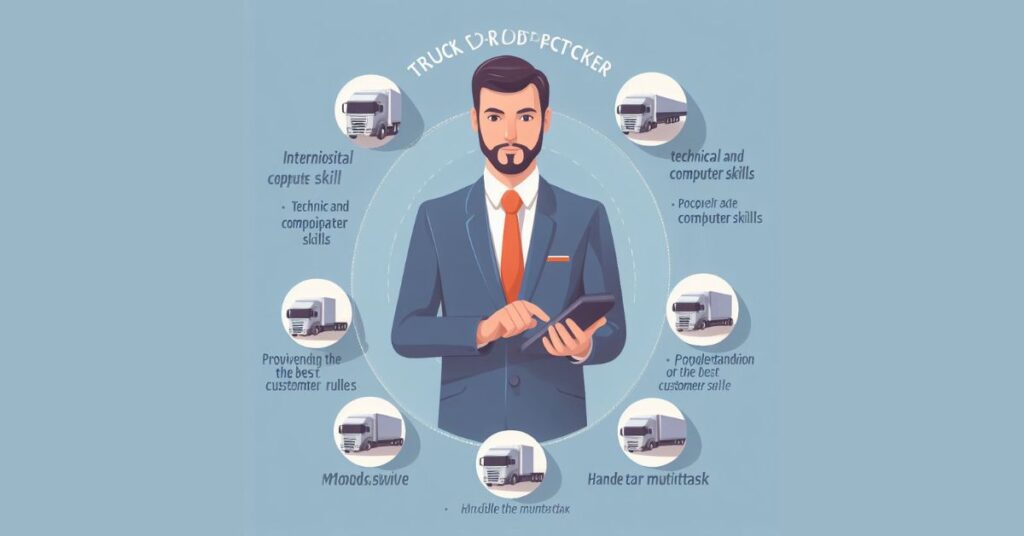
Skills matter a lot for a successful business; as a dispatcher, you need good command skills, such as negotiating with the brokers to pay high or low.
The dispatchers make decisions confidently. You will handle all the calls and give responses back to clients on time. It would help if you had the skills and traits for a successful or excellent truck dispatcher.
- Good Negotiation Command
- Proper understanding of traffic rules
- Provide the Best customer services
- Handle the multitask
- Analytic and Problem-Solving Skills
- Interpersonal Skills
- Technical and Computer skill
- Attention to detail
All these skills are necessary to succeed as a truck dispatcher. So, we discussed a few skills most needed for becoming a successful dispatcher.
You may read the relatable content: Trucking dispatch software
Interpersonal Skill
Good Communication and interpersonal skills are necessary because you are an active listener. A good dispatcher handles the calls and responds to their question within time.
Technical and Computer Skills
You must know about handling technical and computer skills in this modern world. A good dispatcher must understand MS Microsoft and MS Excel for data entry. These things must be required when doing a job with any company.
Attention To Detail
A good dispatcher is needed to be an active listener, which helps to handle multitasking in every situation. This trait helps to drive trucks under challenging conditions.
Analytical and Problem Solving Skills
Problem-solving is one skill which helps to lead in every task. For this business, you need an analytic mindset and decision-making power. After dispatch training, you will ensure how analytical skill helps under challenging situations.
Good Negotiation Command
Good communication skills help the dispatchers to secure their target rate with brokers. Effective Communication helps to reach satisfactory arguments with the customer.
Proper Understanding of Traffic Rules
A proper understanding of traffic rules is essential for any inconvenience. You have the best knowledge of routes and traffic signals. Before dispatching a truck from out of state, you must understand the terms and conditions of the state where you want to deliver the car.
Provide the Best customer service.
Exceptional customer service qualities include kindness, quick problem-solving, and active listening. You may establish enduring relationships and improve your company’s reputation by learning about your clients’ demands.
Handle the multitask
Effective time management, organisation, and task prioritisation are all necessary for multitasking. It’s the skill of managing multiple responsibilities without compromising quality.
Trucking Dispatcher Salary
Let’s uncover the answer to your suspicious question how much do dispatchers make? This chapter will tell you about their salaries by considering different aspects. So, let’s clarify the answer to your question.
A dispatcher’s average rate falls to $44,742 and $60,317 annually in the USA. Dispatchers’ salary depends upon several elements such as Location, experience, and time. The highest rate of Dispatchers may earn $24,000 and $52,000 yearly in the United States.
The wages of dispatchers vary; some charge a flat rate, and high-quality dispatch charge 7-10 percent extra for each shipment due to extra care or earlier shipping. Every dispatcher charges a different fee.
Why Should You Make Your Career as a Truck Dispatcher?
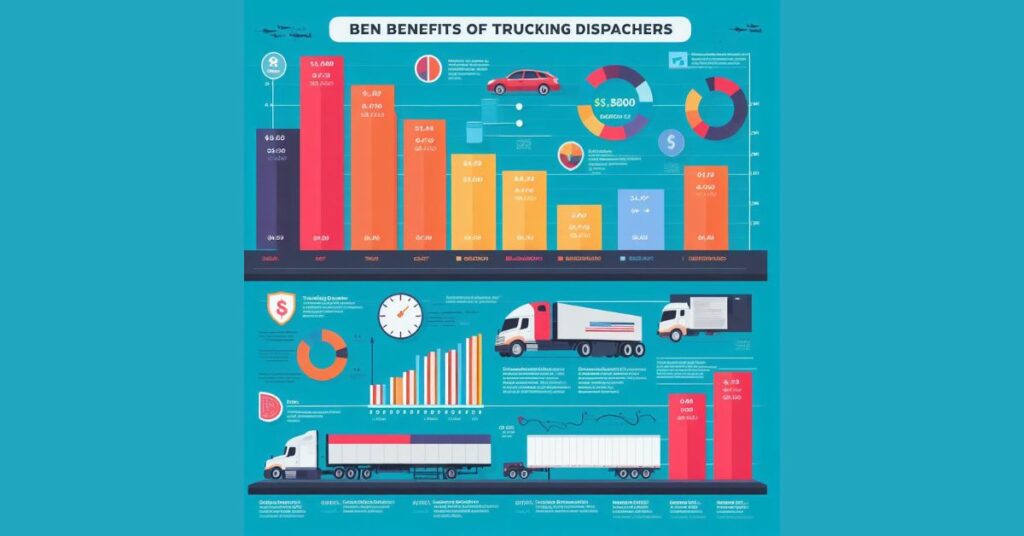
If you want to become a successful trucking businessman, choose your career as a dispatcher. This career has a lot of opportunities for both earning and learning.
Providing services according to customers’ requirements gives you extra incentives as a reward. There is no limit to earning as a good dispatcher. We will discuss a few essential steps for becoming a good dispatcher.
Passion of Truck Dispatching
Passion is one of the things which motivates you for your work. Truck dispatchers are driven by a passion for overcoming obstacles daily and guaranteeing that cargo arrives safely. Regular tasks become exciting road trips due to their dedication.
Financial Incentives
Financial incentives offer additional motivation for achievement and intelligent financial decision-making, such as tax benefits, investments, and bonuses. They hold the secret for improved economic prospects.
Remote Work Setting
Working remotely gives independence, flexibility, and the opportunity to escape the 9–5 office routine. It’s more than just a fad.
You can reach new productivity levels, lessen the stress of travelling, and discover a work-life balance that works for you from the comfort of your place.
What Dispatcher Training Should Cover
There is no government dispatcher license, so certificates come from training providers. Choose a course that teaches the real daily workflow.
Dispatcher Course Checklist
- Freight and equipment types
- Load boards and negotiation
- Rate confirmations
- Hours of service basics
- Broker and carrier setup
- Invoicing and factoring
- Dispatch software practice
- Customer communication
Next steps: how to become a truck dispatcher and dispatcher tips.
How to become a truck dispatcher: Frequently Asked Questions
How much do truck dispatchers make?
Company dispatchers earn a salary, while independent dispatchers usually earn a percentage of each load, so income grows with trucks dispatched.
Can truck dispatchers work remotely?
Yes. Many dispatcher jobs are remote, using a computer, phone and dispatch software.
Do I need a license to be a truck dispatcher?
No federal license is required to dispatch for carriers.