

- What Is EDI 240?
- Why EDI 240 Matters in Trucking
- EDI 240 vs EDI 214: What’s the Difference?
- Who Uses EDI 240?
- How EDI 240 Fits Into the Trucking EDI Process
- Why EDI 240 Still Matters Today
- Key Takeaways
What Is EDI 240?
EDI 240 is called Motor Carrier Package Status.
It is a standard electronic document used in trucking.
Carriers use it to report the status of a package. This can be one package, or a group of packages inside one shipment.
Simple way to think about it: this document tracks packages, not just shipments. It is part of the ANSI X12 standard, which is managed by the Accredited Standards Committee X12.
Why EDI 240 Matters in Trucking
Most freight shipments move as one unit.
But sometimes a shipment has many packages, and each one can move differently. One package might be delayed. Another might arrive early. One might get damaged.
Electronic Data Interchange 240 lets carriers report on each package separately.
This gives shippers better visibility into their freight. It also helps reduce phone calls and manual status checks between shippers and carriers.
Electronic Data Interchange 240 vs Electronic Data Interchange 214: What’s the Difference?
This is the most common question people ask.
EDI 214 reports the status of the whole shipment. Example: “Shipment picked up” or “Shipment delivered.”
EDI 240 reports the status of each package inside that shipment.
Simple example:
- Electronic Data Interchange 214 says: “Shipment is in transit.”
- Electronic Data Interchange 240 says: “Package 1 delivered. Package 2 delayed. Package 3 damaged.”
Most carriers use Electronic Data Interchange 214. Fewer carriers use the package-level document, because not every shipment needs that level of detail.
Who Uses Electronic Data Interchange 240?
This document is mainly used by:
- LTL carriers (Less-Than-Truckload) moving multiple packages
- Parcel carriers that track individual packages
- 3PLs and freight brokers who need detailed status updates
- Shippers with high-value or multi-package freight
If a carrier only moves single, full-truckload shipments, they usually don’t need it. Electronic Data Interchange 214 is enough for most simple loads.
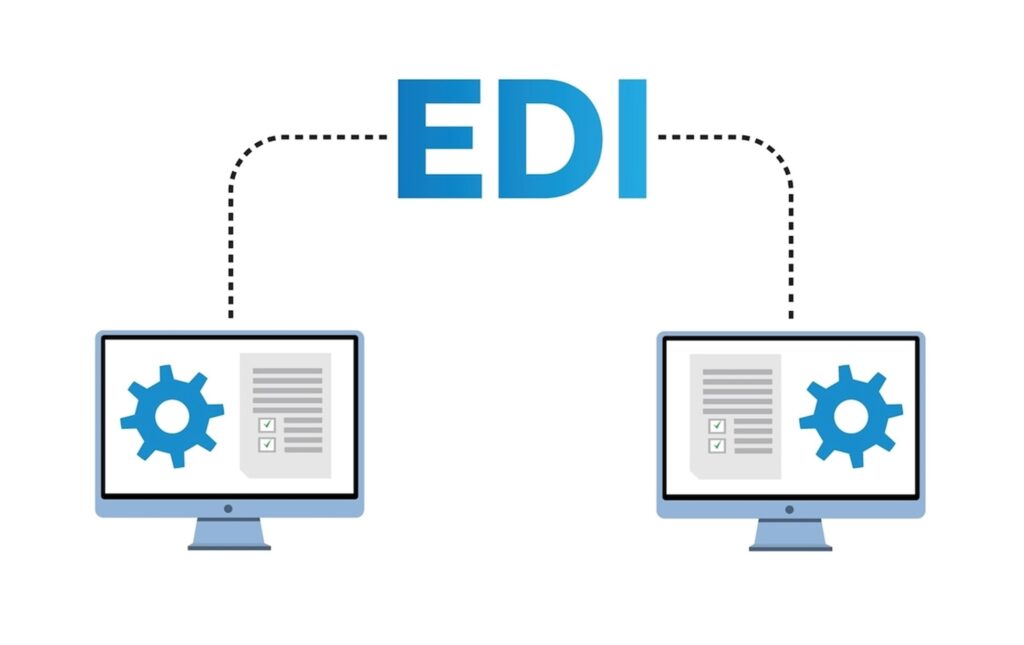
How EDI 240 Fits Into the Trucking EDI Process
Trucking companies use several EDI documents together. Here is the simple order:
- EDI 204 – Load Tender (shipper offers a load to a carrier)
- EDI 990 – Load Tender Response (carrier accepts or rejects)
- EDI 214 – Shipment Status (overall shipment updates)
- EDI 240 – Package Status (individual package updates)
- EDI 210 – Freight Invoice (carrier bills for the completed load)
It works alongside Electronic Data Interchange 214, not in place of it. Think of EDI 214 as the summary, and this document as the fine print.
(Internal link opportunity: link this section to your existing Electronic Data Interchange 214 or EDI 204 articles, if you have them published.)
Why Electronic Data Interchange 240 Still Matters Today
Some people think Electronic Data Interchange is old technology.
It is old. But it is still widely used across freight and logistics.
Large shippers and retailers often require Electronic Data Interchange compliance from their carriers. This is because EDI uses one standard format that works the same way across thousands of companies, which makes onboarding new trading partners faster.
New tools now use automation and AI to read and create documents like this one. That makes Electronic Data Interchange easier to manage, even for small trucking companies without a dedicated EDI team. For more background on the X12 standard, see the official Data Interchange Standards Association resource.
Key Takeaways
- Electronic Data Interchange 240 reports package-level status in a shipment.
- Electronic Data Interchange 214 reports shipment-level status.
- It is common in LTL and parcel freight.
- It works together with Electronic Data Interchange 204, 214, and 210.
- Electronic Data Interchange remains a core part of trucking and logistics in 2026.
If you work with multi-package freight, understanding Electronic Data Interchange 240 helps you choose the right transaction set for accurate, detailed shipment tracking. HorizonGO can help you manage entire dispatch operation.


