Quick Answer: Eco-friendly routing means planning routes that use less fuel: fewer empty miles, less idling in traffic, smarter load matching and avoiding steep or congested roads. It cuts diesel costs first, and lower emissions follow.
On this page
Mastering Eco-Friendly Routing: The Path to Sustainable Transportation
Fuel is usually the second-biggest cost a fleet has after the driver, so eco-friendly routing tends to pay for itself before anyone talks about carbon. Fewer empty miles, less idling in traffic and fewer wrong turns all burn less diesel and put less wear on the truck. The emissions drop is the bonus that shippers and big customers increasingly ask about in their carrier scorecards. Below are seven practical steps dispatchers can take, starting with the ones that cost nothing.
Understanding the Concept of Eco-Friendly Routing
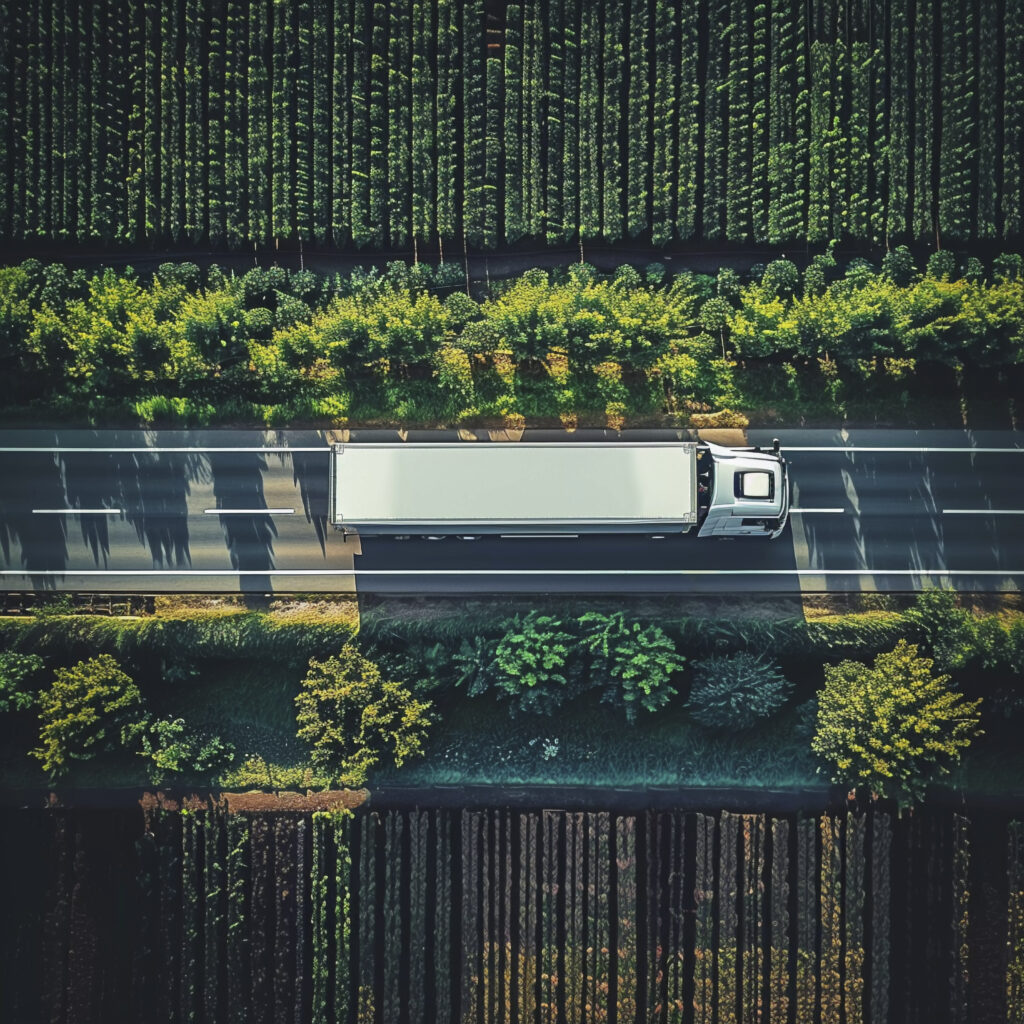
At its core, eco-friendly routing involves planning transportation paths that minimize fuel consumption and emissions. It goes beyond simply choosing the shortest route; it considers real-time traffic conditions, vehicle capacity, delivery windows, and driver behaviors. The aim is to identify pathways that reduce unnecessary driving, avoid congested areas, and promote sustainable driving practices to ensure that each trip is as environmentally responsible as possible.
This approach requires a complete understanding of current transportation patterns and the deployment of advanced routing technologies. Modern algorithms analyze several data points to recommend routes that are not only efficient but also beneficial for the environment. By doing so, companies can significantly lower their greenhouse gas emissions and contribute positively to global efforts against climate change.
The Benefits of Implementing Eco-Friendly Routing
Adopting eco-friendly routing offers many advantages that extend beyond environmental impact. One of the primary benefits is cost savings. Fuel remains one of the largest expenses in transportation, and optimizing routes helps reduce fuel consumption. This directly translates into lower operational costs, allowing companies to allocate resources more effectively.
On top of that, vehicles driven with sustainability in mind tend to have less mechanical wear and tear, leading to decreased maintenance expenses and prolonged vehicle lifespan. This not only saves money but also improves fleet longevity and reliability.
Regulatory compliance is another critical factor. Governments worldwide are instituting stricter emissions standards and encouraging greener transportation practices through incentives and subsidies. Companies that proactively adopt eco-friendly routing strategies position themselves favorably in the eyes of regulators, avoiding penalties and gaining access to benefits that support sustainable operations.
On top of that, consumer awareness about environmental issues influences purchasing decisions. Customers increasingly prefer to support brands that demonstrate a commitment to sustainability. Integrating eco-friendly routing into logistics operations can improve a company’s reputation, build customer loyalty, and differentiate it from competitors.
Analyzing Data and Using Advanced Technology
The foundation of effective eco-friendly routing lies in thorough data analysis. Companies need to understand their current transportation patterns, including typical routes, delivery schedules, traffic congestion points, and vehicle performance metrics. Gathering this data provides insights into inefficiencies and opportunities for improvement.
Modern routing software uses artificial intelligence and machine learning to process this information and generate optimized routes. These platforms can adapt dynamically to changing conditions, such as real-time traffic updates, weather disruptions, or unexpected delivery requests. This flexibility ensures that routes remain as efficient and environmentally friendly as possible.
Telematics systems complement routing software by providing continuous monitoring of vehicle performance. They track fuel consumption, engine idling times, acceleration patterns, and other driving behaviors. Fleet managers can then analyze this information to identify areas where driver training or operational adjustments are needed to boost sustainability.
Promoting Eco-Friendly Driving Habits
Driver behavior matters a lot for the success of eco-friendly routing initiatives. Educating drivers about eco-driving techniques can lead to significant improvements in fuel efficiency and emission reductions. Techniques such as gentle acceleration, maintaining steady speeds, and reducing engine idling are simple yet effective strategies.
Providing real-time feedback through telematics devices helps drivers develop more sustainable habits. Recognition and incentives for eco-friendly driving can build a culture of environmental responsibility within the organization, encouraging all personnel to prioritize sustainability in their day-to-day activities.
Operational Strategies to Improve Sustainability
In addition to route optimization and driver training, operational strategies like shipment consolidation and scheduling deliveries during off-peak hours further contribute to reducing environmental impact. Combining multiple deliveries within a specific geographic area minimizes total miles traveled, thereby decreasing fuel consumption and emissions.
Scheduling deliveries to avoid peak traffic hours helps reduce congestion-related emissions and improves overall efficiency. Proper planning ensures that routes are designed not only for speed but also for environmental responsibility, creating a balance between customer service and sustainability goals.
Monitoring and Continuous Improvement
Implementing eco-friendly routing is an ongoing process that requires continuous monitoring and refinement. Tracking key performance indicators such as fuel consumption, emissions levels, delivery timeliness, and route adherence provides insights into the effectiveness of current strategies.
Regular analysis enables companies to identify areas needing improvement, adjust routes as necessary, and adopt new technologies or practices. Staying updated with advancements in routing algorithms, vehicle technology, and environmental regulations ensures that organizations remain at the forefront of sustainable transportation.
The Role of Technology in Supporting Eco-Friendly Routing
Technology is the backbone of modern eco-friendly routing efforts. Advanced route optimization platforms use artificial intelligence to analyze vast datasets and recommend the most sustainable paths. Integration with telematics systems allows real-time monitoring of vehicle performance and driver behavior, providing actionable insights to improve sustainability.
Emerging innovations, such as electric vehicles and autonomous driving technologies, promise to further improve the environmental benefits of eco-friendly routing in the future. As infrastructure for alternative fuels expands, companies that have already adopted sustainable routing practices will be better positioned to transition smoothly to cleaner vehicle options.
Looking Ahead: The Future of Sustainable Transportation
The future of eco-friendly routing is promising, with technological advancements driving greater efficiency and sustainability. The proliferation of electric and hydrogen-powered vehicles will reduce reliance on fossil fuels, while smart city infrastructure will support more precise routing and traffic management.
Autonomous vehicles, equipped with sophisticated routing algorithms, hold the potential to optimize driving patterns further, minimizing emissions and fuel use. As regulatory pressures increase and consumer expectations evolve, integrating eco-friendly routing into core business strategies will become an essential aspect of responsible logistics management. To learn more about sustainable transportation (Click here)
Adopting a Culture of Sustainability
Ultimately, successful implementation of eco-friendly routing depends on building a corporate culture that values sustainability. Training employees, engaging drivers, and investing in the right technology create an environment where environmental responsibility becomes an integral part of daily operations.
By making eco-friendly routing a priority, companies demonstrate their commitment to reducing their environmental impact, complying with regulations, and meeting customer expectations. This proactive approach not only benefits the planet but also improves organizational resilience and competitiveness in an increasingly eco-conscious world.
7 Eco-Friendly Routing Steps
Greener routes are usually cheaper routes: less fuel, fewer empty miles and less idling.
Eco-Friendly Routing Steps
- Avoid congestion windows
- Cut empty miles
- Consolidate stops
- Use fuel-efficient trucks first
- Reduce idling
- Plan backhauls
- Track fuel per route
More on fuel: average semi truck MPG.
Frequently Asked Questions
Does eco-friendly routing save money?
Yes. Less fuel and fewer empty miles directly lower cost per load.