FMCSA Updates This Month: New Rules, Notices and Exemptions (Live Tracker)
Live tracker of every FMCSA update published this month: final rules, proposed rules, exemptions and notices from the Federal Register.
Explore More
Monday to Friday: 8:30am - 5:00pm

Live tracker of every FMCSA update published this month: final rules, proposed rules, exemptions and notices from the Federal Register.
Explore More
Quick Answer: Heavy-duty (Class 8) trucks in 2026 cost more to buy and run than a few years ago, so fleets are leaning on telematics to control fuel, maintenance and driver behaviour. Freightliner still sells the most Class 8 trucks in the US, followed by Peterbilt, Kenworth and International, and FMCSA’s ELD and inspection rules […]
Explore More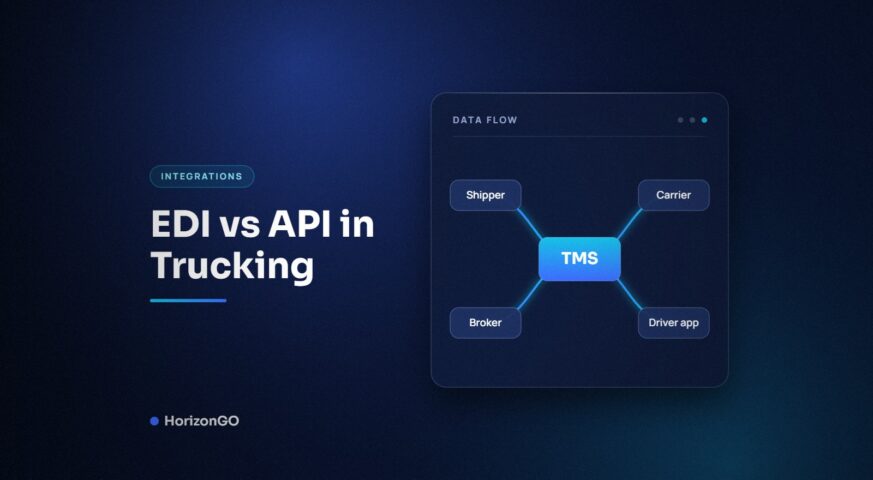
Quick Answer: EDI sends load data in batches using fixed formats, while an API exchanges data in real time. When EDI and API data don’t sync, tracking and invoices fall out of step, so many carriers keep EDI for large shippers and use APIs for faster updates. This guide explains edi vs api in plain […]
Explore More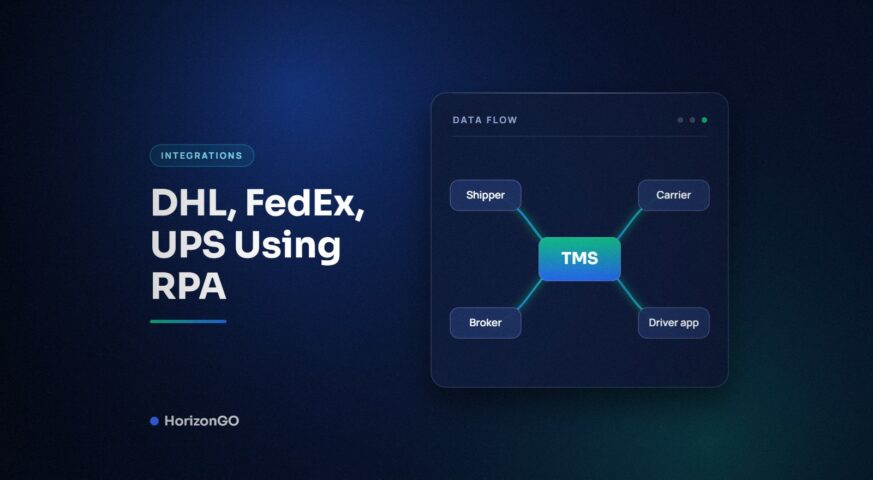
Quick Answer: DHL, FedEx and UPS use RPA (robotic process automation) tools such as UiPath, Automation Anywhere and Blue Prism to handle repetitive office work like data entry, invoice processing and shipment updates. The software bots follow rules, so staff spend less time copying data between systems. This guide explains rpa in logistics in plain […]
Explore More
Quick Answer: Truck drivers are usually paid by the mile, by the hour, as a percentage of the load, or a salary, plus per diem and bonuses. Total pay depends on the type of freight, experience, home time and whether the driver is a company driver or an owner-operator. Read on for a practical look […]
Explore More
Quick Answer: You can start hotshot trucking with little money by using a pickup you already own, leasing or financing the trailer, leasing onto an existing carrier instead of getting your own authority, and finding loads on free load boards. Reinvest your first profits before you expand. These steps work for anyone starting a hotshot […]
Explore More
Quick Answer: A dispatch handover is the structured hand-off between shifts: open loads, late trucks, driver issues, customer promises and anything that needs follow-up. A written checklist makes sure nothing is lost when the next shift takes over. Shift change is where a lot of dispatch problems start. The day dispatcher knows the reefer on […]
Explore More
Quick Answer: BI (business intelligence) tools turn dispatch, GPS and billing data into dashboards, showing trends in on-time delivery, revenue per lane and driver performance. Choose one that connects easily to your TMS and that your team will actually read. Below, we cover bi tools in plain terms. Beyond Spreadsheets: Why Dispatch Needs Better Data […]
Explore More
Quick Answer: Good alert configuration means sending only alerts that need action, to the right person, with clear thresholds. Group minor alerts into a daily summary and keep instant alerts for urgent problems like HOS limits or temperature warnings. Alert configuration is no longer just a technical setup, it’s the first line of defense in […]
Explore More
Quick Answer: Dispatchers share rate confirmations, BOLs, PODs, insurance certificates and carrier bank details every day. Use a secure system instead of open email attachments, verify any change to payment details by phone, and limit who can see financial documents. Here is what to know about file sharing. When Every Load Depends on Digital Trust […]
Explore More
Quick Answer: A telematics dashboard shows live data from trucks, such as location, speed, fuel use, idling, engine faults and driver behaviour, in one place. Fleets use it to cut fuel costs, plan maintenance and coach drivers. In 2025, the logistics and fleet management market is being redefined by real-time data, automation, and predictive intelligence. […]
Explore More
Quick Answer: Dispatch sync means the dispatch board, the web app and the driver’s iOS or Android app all show the same load information in real time. When a load changes, everyone sees it at once, which removes most back-and-forth calls. Effortless dispatch sync is no longer optional, it’s essential. Dispatchers today operate from offices, […]
Explore More
Quick Answer: To keep a trucking office online, restart the modem and router properly, replace a consumer router with a business-grade one, wire the dispatch desks, add a cellular backup line and keep a short offline plan for outages. Read on for a practical look at internet downtime. When the internet drops at a dispatch […]
Explore More
Quick Answer: Teams sync means drivers, dispatchers, warehouse staff and managers all work from the same live information about each load. Shared load records, a driver app and clear status updates do more than extra meetings. A load goes wrong in a predictable way. Dispatch promised a 2 pm delivery, the warehouse didn’t know the […]
Explore More
Quick Answer: Some dispatch tasks shouldn’t be fully automated, such as rejecting or accepting unusual loads, handling breakdowns, negotiating rates, responding to safety issues and talking to upset customers. Automate the routine and keep people on the judgement calls. Below, we cover dispatch automation in plain terms. Dispatch automation has transformed how fleets operate. What […]
Explore More
Quick Answer: To automate invoice creation, build invoices from load data in your TMS, attach the rate confirmation and POD automatically, add accessorials from the load record and send invoices the day the load delivers. The Need for Automation in Modern Business If invoices go out once a week, you are lending your customers money […]
Explore More
Quick Answer: The best driver upload tools let drivers scan BOLs and PODs with a phone camera, attach them to the right load automatically and upload even on weak signal. Fast uploads mean faster invoicing and faster payment. Here is what to know about driver uploads. Every load ends with paperwork: a signed BOL, a […]
Explore More
Quick Answer: Dispatch report automation pulls data from ELDs, GPS and loads into scheduled reports, so on-time performance, hours, revenue and paperwork status arrive every morning without anyone building a spreadsheet. This guide walks through dispatch reports step by step. Most dispatch reports get built the same way. Someone pulls ELD logs, GPS pings and […]
Explore More
Quick Answer: A dispatch tech stack is the set of tools used to move a load from booking to payment: the TMS, ELD and GPS, the driver app, load boards and accounting. When they are connected, dispatchers make fewer calls, catch HOS problems early and invoice faster. A dispatch tech stack is simply the set […]
Explore More

