

In today’s fast-paced, round-the-clock operational environments such as emergency dispatch centers, utility control rooms, transportation hubs, and logistics facilities dispatch handover is a critical process. It ensures that responsibility, information, and situational awareness are transferred smoothly from one team or shift to another. Proper dispatch handover is essential for maintaining safety, operational efficiency, and accountability. When this process isn’t managed correctly, it can lead to miscommunications, delays, errors, and even safety hazards. To prevent these issues, organizations need proven protocols and strategies that guarantee reliable, consistent dispatch handovers 24/7.
Table of Contents
- Why Is Dispatch Handover So Important?
- Challenges in Dispatch Handover Processes
- Proven Protocols for Effective Dispatch Handover
- Leveraging Technology to Support Dispatch Handover
- Key Metrics for Measuring Dispatch Handover Effectiveness
- Implementing Successful Dispatch Handover Practices
- Real-World Success Stories
- The Future of Dispatch Handover Protocols
- Budgeting and Financial Planning
- Building a Resilient Dispatch Culture
- Conclusion
Why Is Dispatch Handover So Important?
Dispatch handover is more than just exchanging information; it’s the foundation of continuity in high-stakes environments. During shift changes or after incidents, the outgoing team must pass on critical details—such as ongoing emergencies, resource status, and pending tasks—to incoming staff. If this transfer is incomplete or unclear, it can lead to missed alerts, delayed responses, or misallocation of resources.
In emergency services, such as police, fire, or medical dispatch, a single oversight can have serious consequences. Similarly, in utility management or transportation logistics, miscommunication during handover can result in service disruptions or safety risks. Therefore, establishing a structured, reliable dispatch handover protocol is vital for maintaining operational integrity and safeguarding personnel and the public.
Challenges in Dispatch Handover Processes
While the importance of dispatch handover is clear, many organizations face significant challenges:
- Information Overload or Omission: During busy periods, critical details can be overlooked or forgotten, especially if relying solely on verbal communication.
- Inconsistent Procedures: Without standardized protocols, handovers can vary widely, leading to gaps or misunderstandings.
- Time Constraints: High-pressure situations often compress handover durations, increasing the risk of incomplete exchanges.
- Communication Barriers: Noise, technical failures, or language differences can impair clarity.
- Technological Limitations: Outdated or incompatible systems hinder effective documentation and data sharing.
- Human Factors: Fatigue, stress, or complacency can impair judgment and communication.
Overcoming these challenges requires a comprehensive approach that combines standardized procedures, technology, training, and organizational culture change.
Proven Protocols for Effective Dispatch Handover
Implementing proven team protocols can significantly improve dispatch handover quality. Here are some essential strategies:
1. Standardized Handover Structure
Use a consistent format, such as SBAR (Situation, Background, Assessment, Recommendation), tailored for dispatch scenarios. This ensures every shift covers all vital information systematically, reducing omissions.
2. Digital Documentation
Implement real-time dispatch management software, mobile apps, or electronic logs. Digital tools automatically record details with timestamps, creating an accessible and unchangeable record for future reference.
3. Clear Communication with Confirmation
Adopt two-way communication during handover—outgoing staff clearly convey information, and incoming staff actively confirm understanding through read-backs and clarifications.
4. Visual Aids and Support Tools
Use maps, dashboards, or incident boards to supplement verbal handovers. Visual aids help convey complex information quickly and accurately.
5. Regular Training and Simulations
Conduct ongoing training and simulated handover exercises to reinforce protocols, improve communication skills, and prepare teams for real-world scenarios.
6. Continuous Quality Improvement (CQI)
Regularly review handover processes, collect feedback, and analyze errors to identify areas for improvement. Use this data to update protocols and training programs.
7. Role Clarity and Oversight
Assign specific roles, such as shift supervisors, to oversee handovers, verify completeness, and address issues promptly.
Leveraging Technology to Support Dispatch Handover
Technology plays a crucial role in ensuring reliable dispatch handover:
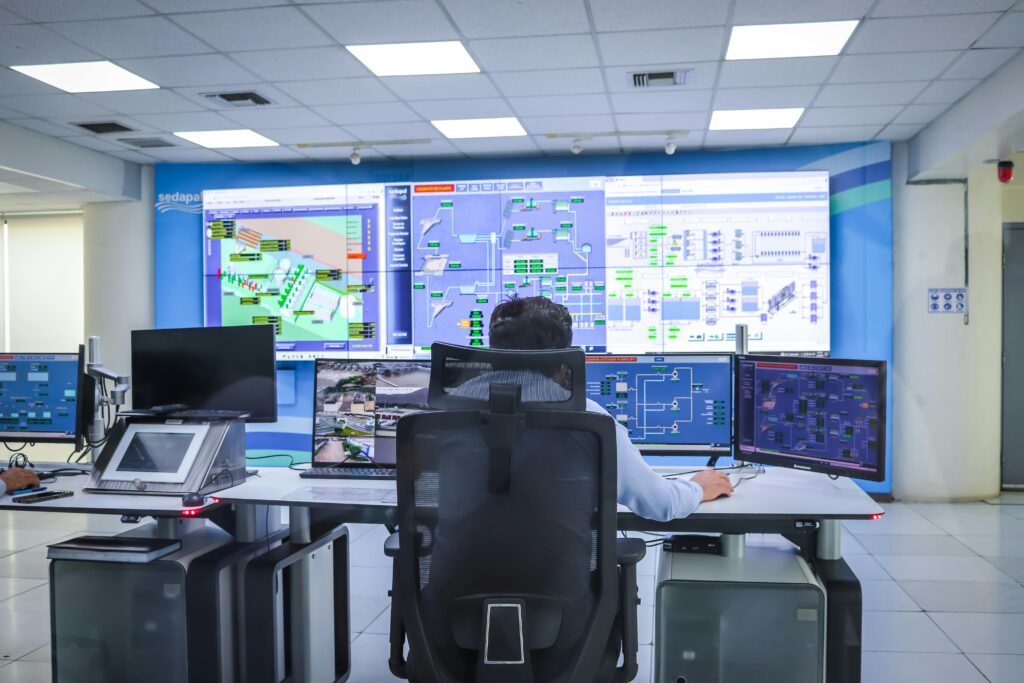
- Dispatch Management Systems: Centralize data entry, track ongoing incidents, and generate detailed logs.
- Automated Alerts: Highlight pending tasks or critical updates.
- Voice Recognition & Transcription: Facilitate quick, accurate documentation.
- Mobile Apps: Enable remote updates and field personnel involvement.
- Video Conferencing: Support virtual handovers, especially across multiple locations.
These tools improve accuracy, promote consistency, and enhance situational awareness.
Key Metrics for Measuring Dispatch Handover Effectiveness
To ensure continuous improvement, organizations should monitor key performance indicators such as:
- Error Rates: Incidents caused by miscommunications.
- Handover Duration: Time taken for each shift change.
- Protocol Compliance: Adherence to established procedures.
- Feedback Surveys: Staff confidence and satisfaction levels.
- Incident Follow-ups: Number of issues traced back to handover gaps.
Regular audits and performance reviews help identify weaknesses and inform targeted improvements.
Implementing Successful Dispatch Handover Practices
Effective deployment requires a strategic approach:
- Develop Clear Policies: Documented protocols aligned with industry standards.
- Engage Leadership: Secure commitment from senior management.
- Train Staff Continuously: Regular workshops, drills, and assessments.
- Leverage Technology: Invest in appropriate dispatch tools.
- Cultivate a Culture of Safety and Improvement: Encourage feedback and innovation.
- Pilot and Refine: Test protocols in small settings before full rollout.
This phased approach ensures higher compliance and smoother transitions.
Real-World Success Stories
Emergency Dispatch Center
A city’s emergency dispatch adopted a structured SBAR framework paired with digital logs, reducing miscommunications by 35%. Response times improved, and patient outcomes benefitted.
Utility Operations
A power company introduced real-time dashboards, dedicated handover coordinators, and digital documentation, reducing operational downtime by 25% and boosting safety during shift changes.
Logistics and Transportation
A global logistics provider standardized handovers across regions, incorporated simulation training, and implemented feedback loops, increasing transition efficiency by 20% and reducing operational errors.
The Future of Dispatch Handover Protocols
Emerging technologies promise to revolutionize dispatch handover:
- Artificial Intelligence: Predictive analytics to flag potential issues.
- Augmented Reality: Field support during handover.
- IoT Integration: Real-time asset status updates.
- Voice-Activated Systems: Hands-free documentation.
- Blockchain: Secure, traceable data sharing.
These innovations will lead to smarter, more resilient dispatch operations.
Budgeting and Financial Planning
Investing in technology, training, and process improvements involves costs. However, these are offset by benefits like fewer errors, faster responses, and regulatory compliance. Many organizations see a return on investment within 1-3 years through operational savings and improved service quality.
Building a Resilient Dispatch Culture
The backbone of reliable dispatch handover is a strong organizational culture emphasizing safety, accountability, and continuous improvement. Leadership must champion protocols, staff must be trained and empowered, and technology should be leveraged to support best practices. Together, these elements create a resilient environment where handovers are seamless, accurate, and contribute to overall operational excellence.
Conclusion
Dispatch handover is a vital process in 24/7 operations. Implementing proven protocols, leveraging technology, and fostering a culture of continuous improvement ensures that responsibility and information transfer smoothly between shifts. This resilience directly impacts safety, efficiency, and service quality, ultimately safeguarding personnel and the public. By investing in structured procedures, training, and innovative tools today, organizations can achieve reliable, seamless dispatch operations tomorrow.
Want to learn Effective Dispatch Escalation Strategy (Click-here)


