

Dispatch automation has transformed how fleets operate. What once took hours of phone calls, paperwork, and spreadsheets can now be done in minutes with a few clicks. From assigning loads to tracking vehicles, dispatch automation gives fleet managers and dispatchers powerful tools to streamline operations. But even with all this technology, smart companies know that automation can’t replace human judgment.
Table of Contents
- 1. Load Assignment Matching
- 2. Route Planning Adjustments
- 3. Driver Communication
- 4. Broker and Customer Escalations
- 5. Scheduling and Appointment Negotiation
- 6. Mid-Workflow Error Prevention
- 7. Crisis and Exception Management
- 8. Scaling Dispatch Automation Without Losing Human Oversight
- 9. Final Thoughts on Dispatch Automation
1. Load Assignment Matching
One of the first things dispatch automation systems do is match available drivers to nearby loads. They use GPS data, truck specifications, and hours-of-service (HOS) rules to suggest the best match. This saves time and helps keep trucks moving. But automation doesn’t always get it right.
A driver might be available on paper, but in reality, they could be exhausted, heading home after a long trip, or avoiding a customer they’ve had issues with before. Dispatch automation can’t understand those personal factors. It doesn’t know if a driver is in a bad mood, needs a break, or prefers certain types of loads.
A driver might be available on paper, but in reality, they could be exhausted, heading home after a long trip, or avoiding a customer they’ve had issues with before. Dispatch automation can’t understand those personal factors. It doesn’t know if a driver is in a bad mood, needs a break, or prefers certain types of loads.
That’s where human dispatchers come in. They know their drivers. They understand who works well with which customers, who handles pressure best, and who needs a lighter schedule this week. A dispatcher might assign a high-maintenance customer to a calm, experienced driver or give a time-sensitive load to someone who always delivers on time. These decisions are based on trust, experience, and relationships—things no algorithm can replicate.
Dispatch automation can help narrow down the options, but the final decision should always involve a human who knows the full picture.
2. Route Planning Adjustments
Dispatch automation tools are great at finding the fastest or shortest route. They use real-time traffic data, road closures, and toll information to suggest the most efficient path. This can save fuel and reduce delivery times. But maps don’t tell the whole story.
A dispatcher might know that a certain customer requires trucks to enter from a side street to avoid blocking traffic. They might remember that a particular highway always has construction delays in the afternoon. These are details that routing software doesn’t catch.
Some drivers prefer certain routes because they’re more familiar or feel safer. Others may avoid specific states due to permit restrictions or past violations. Dispatch automation doesn’t consider these preferences. But dispatchers do.
By combining automation with human insight, fleets can create smarter, more personalized routes that improve safety, comfort, and efficiency.
3. Driver Communication
Automated messages and app notifications are useful for keeping drivers updated. They can alert drivers when a load changes, when they enter or leave a geofence, or when they need to confirm delivery. This reduces the need for constant phone calls and speeds up communication.
But not every message should be automated. If a load is canceled or a driver is stuck after a long shift, they deserve more than a text. They need a real conversation. A screen message can’t show empathy. A notification doesn’t offer support.
Dispatchers provide that human connection. They can check in, offer reassurance, and answer questions in real time. They can sense when a driver is frustrated or tired and respond accordingly. This kind of communication builds trust and keeps drivers engaged.
Too much automation can make drivers feel like they’re just another number. A quick call or personal message can make a big difference in morale and retention.
4. Broker and Customer Escalations
When something goes wrong with a shipment, brokers and customers don’t want to hear from a robot. They want to talk to someone who understands the situation and can fix it. Dispatch automation can send alerts and updates, but it can’t explain what happened or offer solutions.
A dispatcher can. They can explain delays, suggest alternatives, and negotiate new delivery times. They can calm an upset customer or reassure a broker that the issue is being handled. These conversations are often emotional as well as logistical.
Brokers rely on dispatchers to make judgment calls. Should the load be repowered? Can it wait until morning? Does the carrier qualify for extra pay? These aren’t decisions a system can make. They require experience, empathy, and quick thinking.
Dispatch automation can notify people when there’s a problem. But only a human can solve it in a way that protects relationships and keeps business moving.
5. Scheduling and Appointment Negotiation
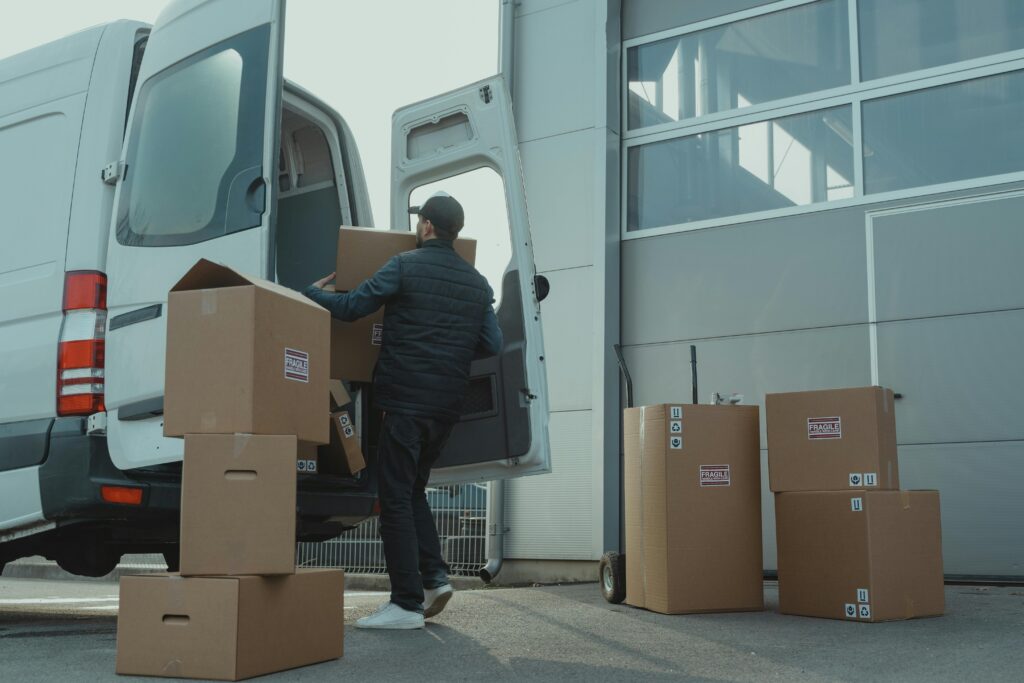
Some dispatch platforms offer auto-scheduling features. They can pull available dock times from facilities and schedule deliveries based on estimated arrival times. This works well when everything is on schedule.
But trucking rarely runs on time. Drivers hit traffic. Shippers delay freight. Weather causes unexpected detours. A driver might arrive early and want to unload sooner, or they might be late and need a new time slot. Software can’t handle that kind of flexibility.
Dispatchers can. They can call ahead, explain the situation, and work something out with the receiver. They know how to ask for favors, buy time, and adjust plans on the fly. This is especially important for sensitive cargo like medical supplies or food products.
Dispatch automation can book the appointment. But only a dispatcher can adjust it when things change.
6. Mid-Workflow Error Prevention
Automation is fast—but that also means mistakes can spread quickly if no one catches them. A small error in load details, equipment type, or delivery time can cause big problems down the line. That’s why human oversight is still essential.
Before confirming a load, a dispatcher should double-check the details. Is the driver’s HOS in range? Is the equipment type correct? Are there any special instructions that were missed? These quick checks can prevent costly delays and customer complaints.
A driver showing up with the wrong trailer or arriving during a closed dock window can lead to detention fees, rescheduling, and frustration. Dispatchers help prevent these issues with just a few minutes of review.
Automation moves data. Dispatchers make sure that data is accurate and makes sense.
7. Crisis and Exception Management
No matter how advanced your dispatch automation system is, trucking is unpredictable. Trucks break down. Drivers get sick. Weather shuts down highways. Shipments get rejected at the dock. In these moments, automation can alert you—but it can’t fix the problem.
A dispatcher can. They can call the driver to check on their safety, contact the shipper to reschedule, and update the customer with a new ETA. They can coordinate roadside assistance, reassign freight, and keep everyone informed.
Dispatchers also remember what worked in past emergencies. If a certain reroute helped before, they’ll use it again. They know who to call, what to say, and how to keep things calm. Software can’t do that.
Dispatch automation is great at flagging issues. But dispatchers are the ones who solve them.
8. Scaling Dispatch Automation Without Losing Human Oversight
As your fleet grows, dispatch automation becomes even more valuable. It helps manage more loads, more drivers, and more data without adding more staff. But scaling automation doesn’t mean removing people from the process.
In fact, the more you automate, the more important human oversight becomes. More volume means more chances for something to go wrong. Without dispatcher review, small issues can turn into big problems.
Create workflows where automation suggests actions and dispatchers approve them. Add checkpoints to catch errors without slowing things down. Review your automated processes regularly to make sure they still make sense.
Train your dispatchers to know when to step in. Teach them how to spot issues that automation misses. The best fleets grow by combining technology with human insight.
Dispatch automation scales systems. Dispatchers scale judgment.
9. Final Thoughts on Dispatch Automation
Dispatch automation is a powerful tool. It makes fleets faster, more efficient, and more connected. But it’s not a replacement for people. It never will be.
The best dispatch operations don’t choose between humans or automation. They use both. Automation handles the routine. Dispatchers handle the exceptions. Together, they create a smarter, more responsive operation.
Dispatchers bring insight, flexibility, and care. They know when a driver needs a call instead of a text. They know when to reroute for safety, not just speed. They know how to turn a service issue into a customer win.
Smart dispatching doesn’t remove humans. It empowers them. And when automation supports human decision-making instead of replacing it, everyone wins—drivers, customers, and the business.


