

What People Are Searching For
Every day, thousands of logistics professionals, truck drivers, and business owners search for information about dry van loads. Here’s what they’re typing into Google:
| Keyword | Monthly Searches |
|---|---|
| Dry Van | 8,100 |
| Trucking Companies Near Me | 90,000 |
| Freight Shipping | 22,000 |
| Dry Van Dimensions | 2,400 |
| 53 Foot Trailer | 2,900 |
| Trailer Dimensions | 1,900 |
| Dry Van Capacity | 1,600 |
| Pallet Capacity | 1,900 |
| Dry Van Rates | 1,600 |
| Spot Rates | 2,400 |
| How to Load a Trailer | 1,300 |
| Trailer Types | 1,300 |
| Commercial Trailers | 1,300 |
| Dry Van vs Reefer | 1,300 |
| Truck Load Board | 2,900 |
| Freight Quote Calculator | 2,400 |
Source: Google Keyword Planner, 2026
Behind every one of these searches is someone trying to understand the workhorse of American freight, the dry van. Whether you’re a dispatcher planning loads, a driver learning the trade, or a business owner shipping products, this guide gives you the answers you need.
What is a Dry Van Load?
A dry van load is any freight shipped in an enclosed, non-refrigerated trailer—the big box on wheels you see everywhere on American highways. Dry van loads make up about 70% of all freight shipping in the United States .
Think of a dry van as a moving box on wheels. It protects cargo from weather, theft, and road debris while keeping it securely enclosed from pickup to delivery. Unlike reefers (refrigerated trailers), dry vans have no cooling units. Unlike flatbeds, they have walls and a roof.
When someone books a dry van load, they’re shipping freight that:
- Doesn’t require temperature control
- Fits through standard trailer doors
- Can be loaded on pallets or floor-loaded
- Needs protection from weather and theft
Why Dry Van Loads Dominate the Industry
| Reason | Why It Matters |
|---|---|
| Versatility | Hauls everything from electronics to clothing to auto parts |
| Weather Protection | Keeps cargo dry and secure in any conditions |
| Theft Deterrence | Enclosed design prevents casual theft and tampering |
| Availability | Most common trailer type means easy to find capacity |
| Cost-Effective | Lower operating costs than specialized equipment |
Dry Van Dimensions: Complete Specifications
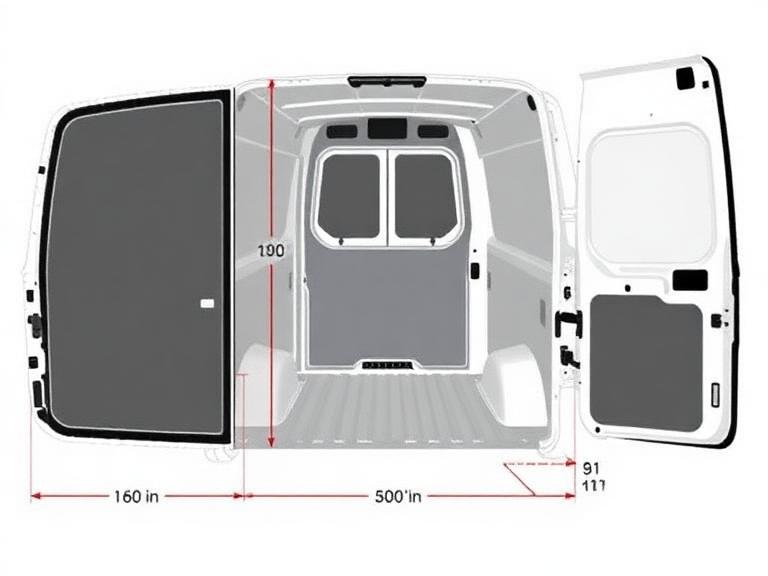
Understanding dry van dimensions is critical for proper load planning. Here are the complete specifications for the most common sizes :
| Specification | 40′ Dry Van | 48′ Dry Van | 53′ Dry Van |
|---|---|---|---|
| Exterior Length | 40 ft | 48 ft | 53 ft |
| Exterior Width | 96-102 inches | 102 inches | 102 inches |
| Exterior Height | 8’6″ to 13’6″ | 13’6″ | 13’6″ |
| Interior Length | ~39’5″ (473″) | ~47’6″ (570″) | ~52’6″ (630″) |
| Interior Width | 92-100 inches | 98-100 inches | 98-100 inches |
| Interior Height | 94-108 inches | 108-110 inches | 108-110 inches |
| Door Opening Width | ~92 inches | ~98 inches | ~98 inches |
| Door Opening Height | 89-101 inches | 108-110 inches | 108-110 inches |
| Cubic Capacity | 2,400-2,800 cu ft | 3,000-3,500 cu ft | 3,800-4,000 cu ft |
| Max Payload | 40,000-45,000 lbs | Up to 45,000 lbs | Up to 45,000 lbs |
| Pallet Capacity | 18-20 pallets | 24 pallets | 26 pallets |
The 53-Foot Dry Van: Industry Standard
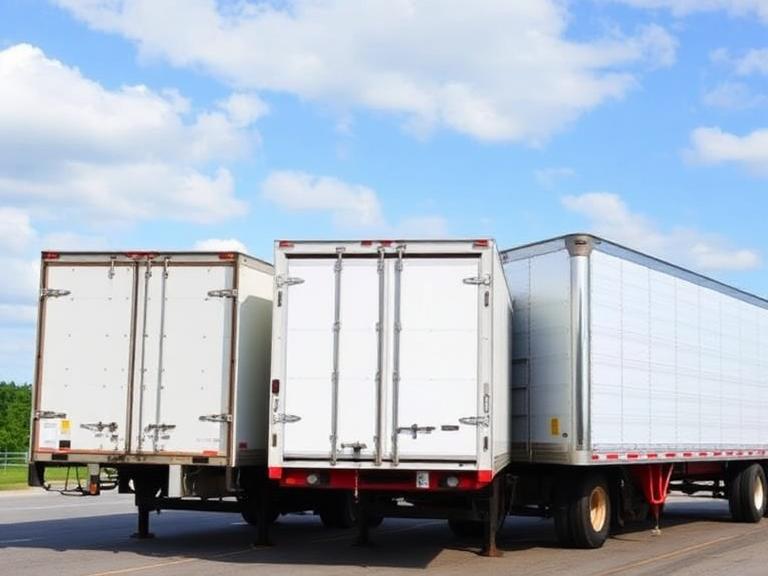
The 53-foot dry van is the most common trailer on U.S. highways. It’s the longest and widest allowed without special permits, thanks to federal size regulations. This size dominates long-haul trucking because it maximizes cargo space while remaining legal on all interstates.
Key specs for 53-foot dry vans:
- Interior length: approximately 52 feet 6 inches
- Interior width: 100 inches (8 feet 4 inches)
- Interior height: 9 feet to 9 feet 2 inches
- Cubic capacity: 3,800-4,000 cubic feet
- Typical payload: up to 45,000 pounds
48-Foot and 40-Foot Dry Vans
Before 53-foot trailers became standard in the 1990s, the 48-foot dry van was the industry workhorse . Many are still in use today, especially for regional routes or facilities where maneuverability matters. A 48-foot trailer has the same width and height as a 53-foot, just 5 feet shorter.
40-foot dry vans are less common in over-the-road trucking but remain standard in intermodal shipping as 40-foot containers. They’re frequently seen on chassis at ports and rail yards, moving international freight to and from distribution centers.
Dry Van Capacity: How Much Can You Load?
Understanding capacity helps you maximize each load while staying legal and safe.
Pallet Capacity
Standard GMA pallets measure 48 inches by 40 inches. Here’s how many fit in each trailer size :
| Trailer Size | Pallets (Standard Loading) | Pallets (Optimized) |
|---|---|---|
| 53 ft dry van | 26 pallets | Up to 30 pallets |
| 48 ft dry van | 24 pallets | Up to 26 pallets |
| 40 ft dry van | 20 pallets | Up to 22 pallets |
Loading pattern for 53-foot dry van: 13 pallets lengthwise (two rows of 13) gives you 26 pallets. Some shippers can squeeze in 30 by using different pallet sizes or configurations.
Weight Capacity
The federal legal limit for trucks on interstate highways is 80,000 pounds gross vehicle weight (truck + trailer + cargo) . A typical tractor and empty dry van weigh about 35,000 pounds, leaving approximately 45,000 pounds for cargo.
However, the actual payload varies based on:
- Tractor weight (different models vary)
- Trailer weight (composite trailers are lighter)
- Fuel load
- Additional equipment (liftgates add weight)
Most dry vans can safely carry up to 45,000-48,000 pounds of freight, but the road legal limit is the real constraint .
Cubic Capacity
A 53-foot dry van offers roughly 3,800-4,000 cubic feet of space . This matters for lightweight but bulky freight. If you’re shipping ping pong balls or empty boxes, you’ll run out of space long before you hit the weight limit.
Dry Van vs Other Trailer Types
Here’s how dry vans compare to other common equipment :
| Factor | Dry Van | Reefer | Flatbed |
|---|---|---|---|
| Enclosure | Full enclosure | Full enclosure with insulation | Open |
| Temperature Control | None | Yes (-20°F to 70°F) | No |
| Weather Protection | Excellent | Excellent | None (must tarp) |
| Theft Protection | High | High | Low |
| Typical Cargo | General freight, retail goods | Food, pharmaceuticals | Construction materials, machinery |
| Cost to Ship | Baseline | 15-25% higher | Similar to dry van |
| Availability | Most common | Seasonal | Regional variations |
What Can You Ship in a Dry Van Load?
Dry van loads handle an enormous variety of freight. Here are the most common categories:
Retail Goods
- Clothing and apparel on hangers or in boxes
- Shoes, accessories, and personal items
- Furniture and home goods
- Electronics and appliances
- Toys and sporting goods
Consumer Packaged Goods
- Non-perishable food and beverages
- Paper products (toilet paper, paper towels)
- Cleaning supplies
- Personal care products
Industrial and Commercial
- Auto parts and accessories
- Building materials (that fit through doors)
- Machinery components
- Packaging materials
- Raw materials in boxes or bags
E-commerce and Fulfillment
- Amazon and online retailer freight
- Returns and reverse logistics
- Warehouse transfers
- Last-mile distribution center replenishment
Where to Find Dry Van Loads
Load Boards
Digital load boards are the primary tool for finding dry van loads :
- DAT Load Board – Industry standard, extensive network
- Truckstop.com – Comprehensive load posting
- Uber Freight – Digital platform with instant quoting
Major Brokers and Carriers
| Company | Services |
|---|---|
| C.H. Robinson | Freight brokerage, market intelligence |
| J.B. Hunt | Major dry van carrier, dedicated services |
| XPO Logistics | LTL and truckload, technology focus |
| Old Dominion | Premium LTL and truckload |
| Schneider | Large dry van fleet, intermodal |
2026 Dry Van Market Update
Current Rate Trends
As of early 2026, the dry van market is showing interesting dynamics. According to ACT Research, dry van spot rates rose sharply in late December and early January as multiple winter storms disrupted capacity across the Midwest and Great Lakes regions . These storms coincided with holiday freight and created temporary carrier shortages.
Recent spot rate data from January 2026 shows :
- Dry van spot rates jumped 20 cents per mile in one week
- Year-over-year, rates are up about 17.5%
- Dry van loads increased 39.3% during the weather disruptions
- National linehaul spot rates averaged $2.01 per mile
However, ACT Research cautions that much of this weather-driven strength may fade as networks normalize and seasonal demand softens . Despite recent gains, dry van rates remain below long-term cycle averages.
2026 Outlook
C.H. Robinson’s November 2025 forecast projects 2026 dry van spot rates at +4% year-over-year, up from previous forecasts of +2% . The firm notes that while capacity continues to exit the market due to oversupply, low rates, and regulatory changes, these exits remain gradual. However, this gradual tightening creates a foundation for spot rates to spike whenever disruptions hit .
What’s Driving the Market
| Factor | Impact on Dry Van Loads |
|---|---|
| Capacity Contraction | Carriers exiting the market slowly tighten supply |
| Regulatory Changes | Stricter CDL enforcement reducing driver pool |
| Winter Weather | Temporary disruptions spike rates |
| Freight Demand | Remains soft but uneven |
| Fuel Costs | Fluctuating surcharges affect total rates |
How to Load a Dry Van Trailer
Proper loading prevents damage, ensures safety, and maximizes space. Here are essential techniques :
Pallet Loading Patterns
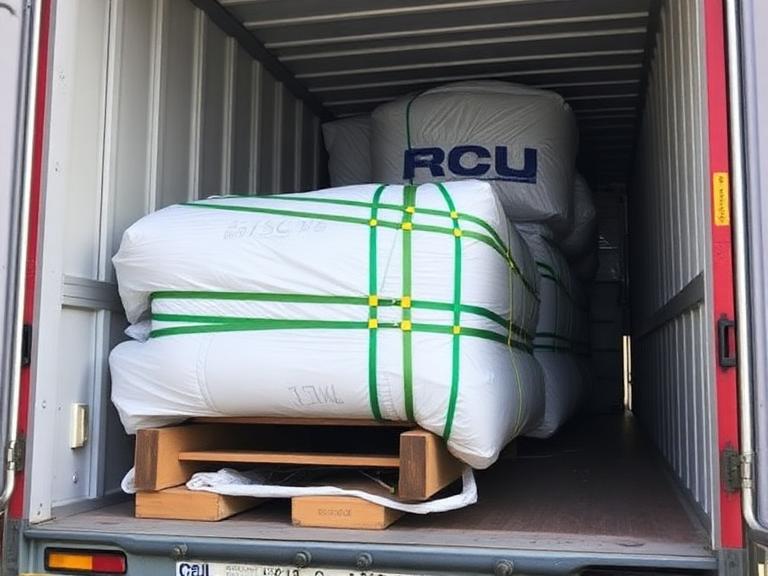
For a 53-foot dry van, the standard pattern is:
- Place pallets in two rows side by side
- Fit 13 pallets lengthwise in each row
- Total: 26 standard 48×40 pallets
Tips for maximizing space:
- Alternate pallet orientation when possible
- Use smaller pallets for end-of-row fills
- Consider double-stacking when weight permits
- Leave adequate space for door swing
Weight Distribution
Proper weight distribution is critical for safety and legal compliance :
- Load should be evenly distributed left to right
- Heavier items should be placed on the bottom
- Weight should be centered over the trailer axles
- Never exceed the trailer’s rated capacity
Securement Requirements
FMCSA regulations require proper cargo securement :
- Use appropriate straps, chains, or bracing
- Prevent forward, rearward, and lateral movement
- Check securement during transit stops
- Use friction mats for smooth surfaces
Top Dry Van Manufacturers
Several manufacturers produce the majority of dry vans on U.S. roads :
| Manufacturer | Known For |
|---|---|
| Great Dane | Advanced technology, durability, safety features |
| Wabash | Durable construction, aerodynamic design, corrosion protection |
| Utility | Robust construction, versatile configurations, oldest reefer manufacturer |
| Hyundai | Strong steel frame, LED lighting, advanced handling systems |
| Vanguard | High-quality vehicles, rigorous use standards, industry-specific options |
Dry Van Maintenance Essentials
Regular maintenance keeps dry vans road-ready and extends their lifespan :
Critical Inspection Points
| Component | What to Check | Frequency |
|---|---|---|
| Tires | Wear, pressure, damage | Pre-trip and post-trip |
| Brakes | Pads, discs, air system | Weekly |
| Flooring | Damage, wear, soft spots | Monthly |
| Lighting | All lights operational | Pre-trip |
| Door Seals | Integrity, weatherproofing | Monthly |
| Suspension | Mounts, air bags, stability | Quarterly |
Winter Preparation
- Check door seals for cold weather integrity
- Inspect floor for holes that could let in road spray
- Verify lighting is fully operational for reduced visibility
- Ensure brakes are properly adjusted for icy conditions
How to Find Dry Van Loads: Local & State Carrier Guide
Below is the table along with the links in it, You can click on any load Board and it’ll redirects you to its original destination.
| State | Major Cities | Dry Van Load Board Links |
|---|---|---|
| Alabama | Birmingham, Mobile, Montgomery, Huntsville | Trulos, Truckstop, DAT |
| Alaska | Anchorage, Fairbanks, Juneau, Sitka | Trulos, Truckstop, DAT |
| Arizona | Phoenix, Tucson, Mesa, Scottsdale | Trulos, Truckstop, DAT |
| Arkansas | Little Rock, Fort Smith, Fayetteville, Springdale | Trulos, Truckstop, DAT |
| California | Los Angeles, San Diego, San Jose, Sacramento | Trulos, Truckstop, DAT |
| Colorado | Denver, Colorado Springs, Aurora, Fort Collins | Trulos, Truckstop, DAT |
| Connecticut | Hartford, New Haven, Stamford, Bridgeport | Trulos, Truckstop, DAT |
| Delaware | Wilmington, Dover, Newark, Middletown | Trulos, Truckstop, DAT |
| Florida | Miami, Jacksonville, Tampa, Orlando | Trulos, Truckstop, DAT |
| Georgia | Atlanta, Savannah, Augusta, Macon | Trulos, Truckstop, DAT |
| Hawaii | Honolulu, Hilo, Pearl City, Kailua | Trulos, Truckstop, DAT |
| Idaho | Boise, Meridian, Nampa, Idaho Falls | Trulos, Truckstop, DAT |
| Illinois | Chicago, Springfield, Naperville, Peoria | Trulos, Truckstop, DAT |
| Indiana | Indianapolis, Fort Wayne, Evansville, South Bend | Trulos, Truckstop, DAT |
| Iowa | Des Moines, Cedar Rapids, Davenport, Sioux City | Trulos, Truckstop, DAT |
| Kansas | Wichita, Topeka, Overland Park, Kansas City | Trulos, Truckstop, DAT |
| Kentucky | Louisville, Lexington, Bowling Green, Owensboro | Trulos, Truckstop, DAT |
| Louisiana | New Orleans, Baton Rouge, Shreveport, Lafayette | Trulos, Truckstop, DAT |
| Maine | Portland, Lewiston, Bangor, South Portland | Trulos, Truckstop, DAT |
| Maryland | Baltimore, Annapolis, Frederick, Rockville | Trulos, Truckstop, DAT |
| Massachusetts | Boston, Worcester, Springfield, Cambridge | Trulos, Truckstop, DAT |
| Michigan | Detroit, Grand Rapids, Lansing, Ann Arbor | Trulos, Truckstop, DAT |
| Minnesota | Minneapolis, Saint Paul, Rochester, Duluth | Trulos, Truckstop, DAT |
| Mississippi | Jackson, Gulfport, Hattiesburg, Biloxi | Trulos, Truckstop, DAT |
| Missouri | Kansas City, St. Louis, Springfield, Columbia | Trulos, Truckstop, DAT |
| Montana | Billings, Missoula, Great Falls, Bozeman | Trulos, Truckstop, DAT |
| Nebraska | Omaha, Lincoln, Grand Island, Kearney | Trulos, Truckstop, DAT |
| Nevada | Las Vegas, Reno, Henderson, Sparks | Trulos, Truckstop, DAT |
| New Hampshire | Manchester, Nashua, Concord, Derry | Trulos, Truckstop, DAT |
| New Jersey | Newark, Jersey City, Paterson, Elizabeth | Trulos, Truckstop, DAT |
| New Mexico | Albuquerque, Santa Fe, Las Cruces, Rio Rancho | Trulos, Truckstop, DAT |
| New York | New York City, Buffalo, Rochester, Syracuse | Trulos, Truckstop, DAT |
| North Carolina | Charlotte, Raleigh, Greensboro, Durham | Trulos, Truckstop, DAT |
| North Dakota | Fargo, Bismarck, Grand Forks, Minot | Trulos, Truckstop, DAT |
| Ohio | Columbus, Cleveland, Cincinnati, Toledo | Trulos, Truckstop, DAT |
| Oklahoma | Oklahoma City, Tulsa, Norman, Edmond | Trulos, Truckstop, DAT |
| Oregon | Portland, Salem, Eugene, Gresham | Trulos, Truckstop, DAT |
| Pennsylvania | Philadelphia, Pittsburgh, Allentown, Erie | Trulos, Truckstop, DAT |
| Rhode Island | Providence, Warwick, Cranston, Pawtucket | Trulos, Truckstop, DAT |
| South Carolina | Charleston, Columbia, Greenville, Spartanburg | Trulos, Truckstop, DAT |
| South Dakota | Sioux Falls, Rapid City, Aberdeen, Brookings | Trulos, Truckstop, DAT |
| Tennessee | Nashville, Memphis, Knoxville, Chattanooga | Trulos, Truckstop, DAT |
| Texas | Houston, Dallas, Austin, San Antonio | Trulos, Truckstop, DAT |
| Utah | Salt Lake City, West Valley City, Provo, West Jordan | Trulos, Truckstop, DAT |
| Vermont | Burlington, South Burlington, Rutland, Barre | Trulos, Truckstop, DAT |
| Virginia | Richmond, Virginia Beach, Norfolk, Chesapeake | Trulos, Truckstop, DAT |
| Washington | Seattle, Spokane, Tacoma, Vancouver | Trulos, Truckstop, DAT |
| West Virginia | Charleston, Huntington, Morgantown, Parkersburg | Trulos, Truckstop, DAT |
| Wisconsin | Milwaukee, Madison, Green Bay, Kenosha | Trulos, Truckstop, DAT |
| Wyoming | Cheyenne, Casper, Laramie, Gillette | Trulos, Truckstop, DAT |
Quick Tips to Find Dry Van Loads Fast
- Use dry van dispatch tools and load matching software to automate load finding.
- Search with city + state phrases like dry van loads Los Angeles or dry van freight Chicago to get local results.
- Filter load boards by equipment type: Dry Van to see relevant loads instantly.
- Compare dry van freight rates per mile on multiple boards before booking to ensure you get the best price.
- Set up alerts on load boards for high-demand routes so you’re notified immediately when new loads appear.
- Build relationships with local brokers and shippers—they often have exclusive loads not listed online.
- Check backhaul opportunities to reduce empty miles and maximize earnings.
- Keep your driver and truck availability updated in dispatch tools for faster load matching.
- Track peak shipping seasons for major cities to anticipate higher-paying loads.
- Use mobile apps for load boards so you can search and book loads while on the road.
Official Resources and High-Authority Links
| Resource | What It Provides | Link |
|---|---|---|
| FMCSA | Regulations, safety rules, carrier registration | fmcsa.dot.gov |
| FMCSA Company Snapshot | Verify carrier credentials, insurance, safety rating | safer.fmcsa.dot.gov |
| FHWA Size & Weight Program | Federal size and weight limits | ops.fhwa.dot.gov |
| American Trucking Associations | Industry data and economic reports | trucking.org |
| DAT Freight & Analytics | Spot rates, load board, market trends | dat.com |
| FreightWaves | News, market analysis, SONAR data | freightwaves.com |
| Truckstop.com | Load board, freight matching, market data | truckstop.com |
| C.H. Robinson | Freight market updates, rate data | chrobinson.com |
| J.B. Hunt | Major dry van carrier, industry insights | jbhunt.com |
| Schneider | Large dry van fleet, carrier resources | schneider.com |
Series: Complete Guide to Truck Loads
This guide is Blog 4 in our 8-part series on freight and logistics.
Blog 1: [What Are Truck Loads? The 2026 Complete Guide to Freight Types and Logistics]
Blog 2: [What is Full Truckload (FTL)? The 2026 Complete Guide]
Blog 3: [Less-Than-Truckload (LTL): The 2026 Complete Guide for Small Business Shippers]
Blog 4 (You’re Here!): [What are Dry Van Loads? 2026 Best Guide]
Blog 5: [Reefer & Temperature-Controlled Loads: The 2026 Cold Chain Guide] (Internal Link)
Blog 6: [Flatbed & Oversized Loads: Hauling Guide for Heavy Equipment] (Internal Link)
Blog 7: [Specialized Freight: Hazmat, Tanker, Hot Shot & White Glove Services] (Internal Link)
Blog 8: [How to Start a Freight Brokerage in 2026] (Internal Link)
Have questions about dry van loads or need help finding carriers? Drop them in the comments below. And if you ship your first dry van load using this guide, come back and tell us how it went!


