

Table of Contents
- When Freight Integrity Meets Climate Responsibility
- The Carbon Cost of Cold Freight Is Higher Than Most Realize
- Why Sustainable Cold-Chain Logistics Requires Proactive Dispatching
- Tactics to Improve Sustainability in Reefer Dispatching
- Load Consolidation: The Overlooked Key to Cold-Chain Efficiency
- How Technology Enables Greener Reefer Load Planning
- Time-of-Day Dispatching Matters More Than Most Realize
- Driver Behavior Still Plays a Major Role in Emissions
- Reefer Maintenance: The Silent Factor in Sustainability
- Educating Customers on Sustainable Cold Chain Practices
- Benchmarking and Continuous Improvement
- Final Word: You Can’t Deliver Cold Freight on a Hot Planet Without Change
When Freight Integrity Meets Climate Responsibility
Temperature-controlled logistics is among the most sensitive and costly sectors in freight. It’s responsible for the safe transport of pharmaceuticals, produce, meat, dairy, frozen goods, and other perishable items that demand strict thermal integrity. But the same cooling systems that preserve life-saving medications and deliver fresh food across the country also consume enormous amounts of energy—and, by extension, contribute significantly to transportation-based greenhouse gas emissions.
As sustainability becomes not just a marketing angle but a contractual requirement for shippers, the pressure is on for dispatchers, load planners, and operations managers to rethink how temperature-controlled freight is scheduled, routed, and managed. In every cold load, sustainability isn’t just about fuel efficiency—it’s about smarter planning, deeper visibility, and a reengineered mindset that reduces waste without compromising product safety.
The Carbon Cost of Cold Freight Is Higher Than Most Realize
While reefer units make up only a portion of the trucking fleet, their carbon footprint is disproportionately large. Diesel-powered refrigeration units, which operate independently from the truck engine, can consume up to a gallon of fuel per hour. Multiply that across long-haul trips, and you’re looking at dozens of gallons of diesel—and hundreds of pounds of CO₂ emissions—just to keep freight cold.
When a cold load is delayed, misrouted, or unnecessarily idle, that fuel continues to burn, wasting energy and raising emissions. In some cases, the wrong reefer settings or poor trailer utilization also increase energy demands. These inefficiencies add up quickly. Simply put, cold loads are one of the most energy-intensive types of freight, and solving that challenge begins with smart dispatching and load planning.
Why Sustainable Cold-Chain Logistics Requires Proactive Dispatching
You can’t fix what you can’t see—and visibility is everything in temperature-controlled freight. Dispatchers planning a cold load must consider not just pickup and drop-off times but also temperature set points, route elevation, traffic conditions, and refueling opportunities. When these factors are ignored, energy use soars and risk multiplies.
For example, sending a cold load through mountainous regions or traffic-heavy corridors without considering the reefer’s run time could increase strain on equipment and jeopardize load integrity. Missing a delivery window could result in spoilage or rejections. Overcooling freight that doesn’t require freezing conditions is another common error that eats into both fuel and equipment lifespan.
Optimizing a cold load isn’t about cutting corners—it’s about applying intelligence to every mile. Dispatchers must manage each load not only by distance and hours but also by degrees, minutes, and carbon impact.
Tactics to Improve Sustainability in Reefer Dispatching
A cold load should be handled with precision—and that includes incorporating sustainability tactics such as:
- Matching reefer settings to the exact product requirements (chilled vs. frozen)
- Avoiding premature trailer pre-cooling; align cooling time with scheduled loading
- Choosing routes with fewer stops and flatter elevation profiles
- Minimizing dock detention to reduce idle reefer run time
- Honoring customer-specific delivery preferences to reduce waiting and waste
Each of these strategies helps ensure that every cold load consumes only the energy it truly needs.
Load Consolidation: The Overlooked Key to Cold-Chain Efficiency
One of the most impactful (and underused) ways to reduce emissions from a cold load is through better trailer utilization. A reefer unit burns the same amount of fuel whether it’s carrying two pallets or a full truckload. That means partial cold loads waste both money and energy.
Smarter load consolidation matches compatible freight with similar temperature and delivery windows. It allows dispatchers to pair outbound and return freight, fill trailers to capacity, and avoid sending half-empty reefers on the road. With the right planning and visibility, a cold load can become more profitable and sustainable at the same time.
This isn’t about sacrificing service—it’s about smarter coordination. Every full cold load contributes to reduced emissions and improved margins.
How Technology Enables Greener Reefer Load Planning
Cold load efficiency is no longer about guesswork. Today’s tech offers the tools needed for precision planning:
- TMS platforms with reefer-specific routing and temp tracking
- Load planning systems that show real-time consolidation opportunities
- ELDs and telematics to monitor reefer unit status and fuel usage
- Business intelligence dashboards tracking cost per mile by temp range
- Predictive maintenance alerts to catch reefer inefficiencies early
When a dispatcher can see energy use, trailer temp, traffic delays, and capacity on one screen, every cold load gets sharper, cleaner, and cheaper.
Time-of-Day Dispatching Matters More Than Most Realize
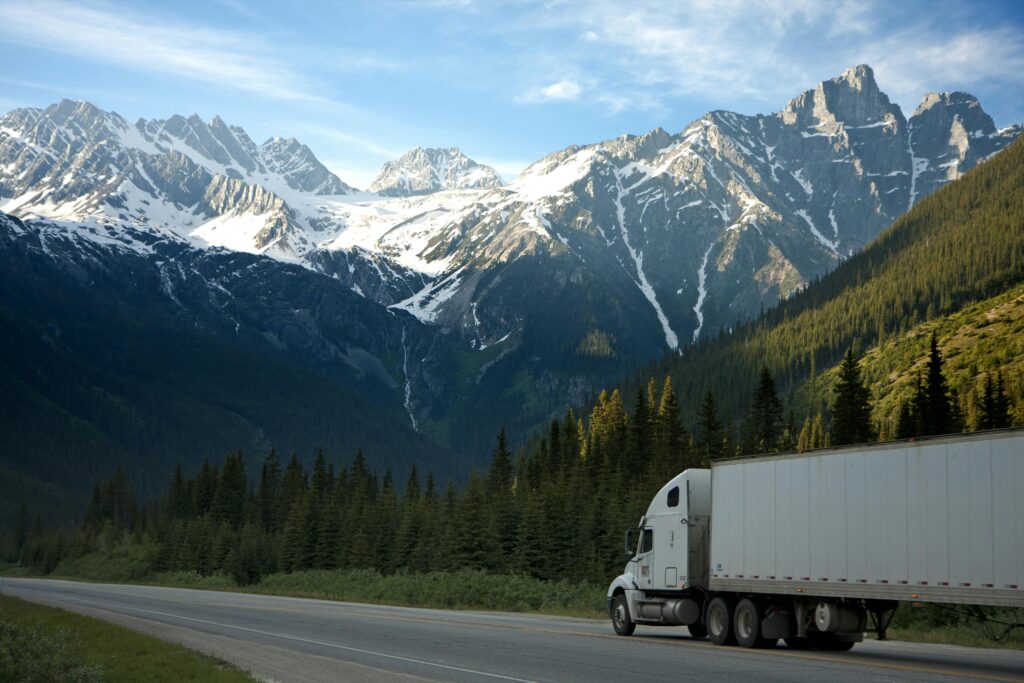
Every cold load faces vulnerability during loading, unloading, and transit stops. Scheduling deliveries during peak heat hours causes reefer units to work harder to stabilize internal temperatures. The result? Higher fuel burn and possible thermal swings.
By dispatching cold loads during early mornings or late nights—especially for facilities with flexible dock hours—teams can cut down on thermal pressure. Pre-loading or staging shipments in cooler windows also reduces the load on reefer units.
These changes don’t require new equipment—just strategic timing. Every small adjustment improves the sustainability profile of each cold load on the road.
Driver Behavior Still Plays a Major Role in Emissions
A cold load isn’t just in the hands of dispatchers—drivers play a major role in its sustainability. Poor habits like unnecessary idling, failure to switch reefer modes when the trailer is empty, or neglecting to check set points before departure lead to both product risk and fuel waste.
Dispatchers must train drivers in energy-smart habits for cold load handling. This includes using SOPs, idle-time limits, and sustainability-focused driver scorecards. When drivers understand their influence on environmental impact, they become partners in your sustainable dispatch strategy—not just operators.
Reefer Maintenance: The Silent Factor in Sustainability
One area often overlooked in cold load sustainability is equipment maintenance. A poorly maintained reefer unit consumes more fuel, struggles to maintain set temperatures, and is prone to failure during transit. This not only jeopardizes the integrity of the cold load but leads to costly spoilage, rejected shipments, and emergency reassignments.
Fleet managers should implement proactive maintenance schedules that include filter changes, coolant checks, and inspections for insulation wear or leaks. Reefer units that run efficiently can reduce emissions and extend equipment life. Maintenance records should also be digitized and linked to dispatch platforms, allowing planners to avoid assigning sensitive cold loads to underperforming units.
Incorporating reefer health into planning decisions enhances both reliability and sustainability, making it a critical piece of every cold load operation.
Educating Customers on Sustainable Cold Chain Practices
Cold load planning doesn’t end with the carrier. Shippers and receivers play a major role in the efficiency and environmental footprint of a cold chain. Dispatchers and account managers should work with clients to encourage flexible appointment windows, off-peak delivery acceptance, and consolidated order scheduling.
For example, a customer that agrees to receive multiple shipments in a single delivery rather than daily drops contributes to fewer trips and better trailer utilization. Similarly, facilities that invest in faster dock processing or staging areas reduce the time a cold load spends idling on-site, lowering reefer run time.
Customer education transforms sustainability from an internal goal to a shared commitment across the supply chain.
Benchmarking and Continuous Improvement
The final ingredient for success in cold load sustainability is benchmarking. Companies should not only track their internal metrics but compare performance against industry standards or peer averages. Benchmarks may include average CO₂ emissions per cold load, cost per temperature mile, or reefer fuel consumption per hour.
Publishing internal scorecards, setting annual sustainability targets, and reviewing cold load trends quarterly all help foster a culture of progress. Incentives can even be tied to dispatcher or team performance on environmental KPIs.
With benchmarking, sustainability becomes a measurable objective—not just an abstract ideal.
Final Word: You Can’t Deliver Cold Freight on a Hot Planet Without Change
Every cold load is a balancing act between product safety and energy use. And in today’s market, that balance must lean toward sustainability. The most forward-thinking dispatchers and planners understand that environmental intelligence is just as important as route timing or rate negotiation.
The fleets that win tomorrow will be those that move with precision, visibility, and responsibility. That means planning every cold load with intention—from trailer temp to delivery hour to miles per gallon.
Sustainability doesn’t require compromise. It requires awareness, data, and smarter workflows. And in the cold-chain world, that’s what separates operations that just move freight from those that move the entire industry forward.
Looking to boost profits while staying efficient? Check out our guide to margin-based planning.


